Wireless Festival Cancelled After Kanye West’s UK Entry Ban
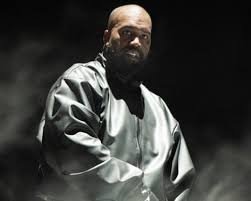
The highly anticipated Wireless music festival has been cancelled following the UK government’s decision to ban artist Ye, formerly known as Kanye West, from entering the country. This move comes amid a growing political controversy surrounding Ye’s history of antisemitic statements.
The Ban and Festival Cancellation
Ye submitted an Electronic Travel Authorisation (ETA) on Monday, which was initially granted but subsequently rescinded by Home Office ministers. The decision was based on the assessment that his presence in the UK would not be conducive to the public good. A spokesperson for the festival confirmed the cancellation, stating that refunds would be issued to all ticket holders.
“The Home Office has withdrawn Ye’s ETA, denying him entry into the United Kingdom. As a result, Wireless festival is cancelled and refunds will be issued to all ticket holders,” the statement read. “As with every Wireless festival, multiple stakeholders were consulted in advance of booking Ye and no concerns were highlighted at the time. Antisemitism in all its forms is abhorrent, and we recognise the real and personal impact these issues have had.”
Ye’s Response and Previous Controversies
Ye acknowledged the concerns, stating he hopes to have a conversation with the Jewish community in the UK. However, his past actions continue to draw criticism. He has faced widespread condemnation for making antisemitic remarks, including expressing admiration for Adolf Hitler and releasing songs with inflammatory titles like “Heil Hitler.”
In January, Ye issued a public apology in the Wall Street Journal, attributing his behaviour to bipolar disorder. He also offered to “meet and listen” to members of the UK’s Jewish community, but concerns remain given his recent history.
Political Pressure and Public Reaction
The decision to book Ye had already sparked criticism from political figures, including Keir Starmer, who expressed deep concern over the festival’s choice to feature an artist with a history of antisemitism and Nazi sympathies. Downing Street faced pressure to clarify Ye’s visa status before the ban was announced.
Phil Rosenberg, President of the Board of Deputies of British Jews, highlighted Ye’s continued problematic behaviour, pointing to recent album tracks with offensive titles. He stated the group would be willing to meet Ye only if he withdrew from the festival.
Precedent for Entry Bans
Ye is not the first American cultural figure to be barred from entering the UK. Snoop Dogg was previously denied entry in 2007, Martha Stewart in 2008, and Tyler, the Creator faced a four-year ban starting in 2015 due to concerns over his lyrics. These cases demonstrate the UK’s willingness to restrict entry for individuals whose actions or views are deemed harmful or contrary to public values.
The cancellation of Wireless Festival underscores the growing scrutiny of artists’ public statements and the potential consequences for their ability to perform internationally. It also highlights the importance of addressing antisemitism and other forms of hate speech.
For more information on the UK’s immigration policies, visit the UK government website.