The world’s climate is constantly shifting, and one of the most significant natural climate patterns is El Niño. While we’re still some time away, forecasts are already pointing towards a potentially strong El Niño event developing in 2026. Understanding what El Niño is, its potential impacts, and how to prepare is crucial for individuals, businesses, and governments alike. This article dives deep into the anticipated El Niño of 2026, providing a comprehensive overview of what you need to know.
What is El Niño?
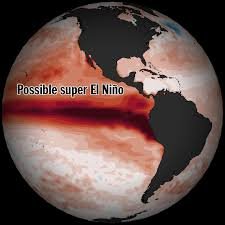
El Niño-Southern Oscillation (ENSO) is a naturally occurring climate pattern characterized by fluctuating ocean temperatures in the central and eastern tropical Pacific Ocean. El Niño represents the warm phase of ENSO, where sea surface temperatures become warmer than average. This warming disrupts normal atmospheric circulation, leading to significant changes in weather patterns around the globe. The opposite phase, La Niña, is characterized by cooler-than-average sea surface temperatures.
Why the Concern About El Niño 2026?
Climate models are increasingly suggesting that the El Niño event expected in 2026 could be particularly strong. Several factors contribute to this concern. Firstly, we are emerging from a prolonged La Niña phase, which often sets the stage for a robust El Niño rebound. Secondly, ocean heat content in the Pacific is currently elevated, providing ample energy for El Niño to develop. Finally, global warming is exacerbating the effects of El Niño, potentially leading to more extreme weather events.
Potential Impacts of a Strong El Niño 2026
A strong El Niño in 2026 is likely to have far-reaching consequences. Here’s a breakdown of potential impacts:
- Increased Global Temperatures: El Niño typically contributes to a temporary increase in global average temperatures. Combined with ongoing global warming, 2026 could be one of the warmest years on record. You can find more information on global temperature trends at NASA’s Climate Change website.
- Changes in Precipitation Patterns: El Niño often brings increased rainfall to the southwestern United States and parts of South America, while causing drought conditions in Australia, Indonesia, and parts of Africa.
- Increased Risk of Extreme Weather Events: Expect a higher probability of hurricanes in the central and eastern Pacific Ocean, and potentially fewer hurricanes in the Atlantic. Increased flooding and landslides are also possible in affected regions.
- Impacts on Agriculture: Changes in rainfall and temperature can significantly impact crop yields, leading to food security concerns in vulnerable regions.
- Marine Ecosystem Disruptions: Warmer ocean temperatures can lead to coral bleaching and disruptions in marine food chains.
How to Prepare for El Niño 2026
While we can’t prevent El Niño, we can take steps to mitigate its impacts. Here’s how:
- Stay Informed: Regularly monitor weather forecasts and updates from reliable sources like the National Oceanic and Atmospheric Administration (NOAA).
- Develop Emergency Plans: Prepare for potential flooding, droughts, or extreme weather events in your area. This includes having emergency supplies, evacuation plans, and insurance coverage.
- Water Conservation: In regions prone to drought, implement water conservation measures to reduce water usage.
- Agricultural Planning: Farmers should consider adjusting planting schedules and crop choices to adapt to changing weather patterns.
- Infrastructure Resilience: Governments and businesses should invest in infrastructure improvements to enhance resilience to extreme weather events.
El Niño 2026 presents a significant climate challenge. By understanding its potential impacts and taking proactive steps to prepare, we can minimize its risks and build a more resilient future. Continued monitoring and research are essential to refine forecasts and improve our ability to respond to this powerful climate phenomenon.