
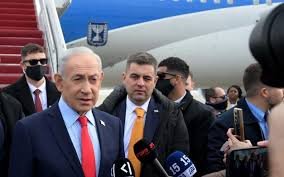
Benjamin Netanyahu remains a central and often controversial figure in Israeli politics. As the nation’s longest-serving Prime Minister, his career has been marked by significant achievements, complex negotiations, and persistent legal challenges. This article provides a comprehensive overview of Netanyahu’s political journey, recent developments, and the ongoing debates surrounding his leadership.
Early Life and Political Beginnings
Born in Tel Aviv in 1949, Benjamin Netanyahu’s family has deep roots in Israeli history. His father, Benzion Netanyahu, was a historian and staunch Zionist. Netanyahu received a degree in architecture from MIT and later worked as a consultant before entering politics. He quickly rose through the ranks of the Likud party, becoming a prominent voice in Israeli conservatism.
Rise to Prime Minister & Key Policies
Netanyahu first served as Prime Minister from 1996 to 1999, and again from 2009 to 2021, and once more in 2022. His tenures have been characterized by a focus on economic liberalization, security concerns, and a firm stance against Iranian nuclear ambitions. He has been a vocal advocate for a two-state solution, albeit with conditions, and has overseen significant growth in Israel’s technological sector. His policies have often sparked debate, particularly regarding the Israeli-Palestinian conflict and settlements in the West Bank.
Recent Developments & Legal Challenges
In recent years, Netanyahu has faced a series of legal challenges, including indictments on charges of bribery, fraud, and breach of trust. These allegations have led to prolonged political instability and multiple elections. Despite the ongoing legal proceedings, he has maintained his position as a key player in Israeli politics, forming a coalition government in late 2022. The legal battles continue to shape the political landscape and raise questions about the future of his leadership. For more information on the legal proceedings, see Reuters’ coverage.
Controversies and Criticisms
Netanyahu’s leadership has not been without controversy. Critics accuse him of polarizing Israeli society, hindering peace efforts, and prioritizing personal interests over national ones. His rhetoric has often been seen as inflammatory, and his handling of the Israeli-Palestinian conflict has drawn international condemnation. Supporters, however, praise his strong leadership, economic policies, and unwavering commitment to Israel’s security. The BBC provides a detailed overview of the key criticisms leveled against him.
The Future of Netanyahu and Israeli Politics
The future of Benjamin Netanyahu and Israeli politics remains uncertain. The ongoing legal proceedings, coupled with the ever-changing political landscape, present significant challenges. His ability to navigate these challenges and maintain his position will depend on his political skills, the outcome of the legal battles, and the evolving dynamics within Israeli society. Staying informed about developments is crucial; resources like The Times of Israel offer up-to-date coverage.



