Thousands of Passengers Stranded in Europe: A Developing Crisis
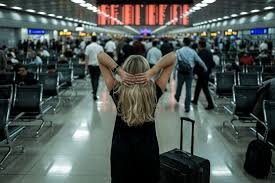
A wave of travel chaos is sweeping across Europe, leaving thousands of passengers stranded at airports and scrambling to adjust their travel plans. The disruptions, stemming from a confluence of factors, are impacting major hubs and causing significant delays and cancellations. This article provides a comprehensive overview of the situation, its causes, and what travelers can do.
What’s Causing the Travel Disruption?
While the initial trigger appears to be a system failure impacting air traffic control systems across several European countries, the situation is exacerbated by existing pressures. These include:
- Technical Issues: A widespread technical glitch within the European air traffic management network (specifically, EUROCONTROL) is at the heart of the problem. This system manages air traffic flow across 44 nations.
- Increased Demand: The peak summer travel season is in full swing, leading to already congested airspace.
- Staffing Shortages: Like many industries, the aviation sector continues to grapple with staffing shortages, impacting ground handling and air traffic control capabilities.
- Weather Conditions: Unforeseen weather patterns in certain regions are adding to the complexity of the situation.
Which Airports are Most Affected?
Several major airports are experiencing significant disruptions. These include:
- London Heathrow (LHR): Facing substantial delays and cancellations.
- Amsterdam Schiphol (AMS): Reports of long queues and flight disruptions.
- Frankfurt Airport (FRA): Significant delays impacting connecting flights.
- Paris Charles de Gaulle (CDG): Experiencing considerable congestion.
- Madrid–Barajas Airport (MAD): Affected by cascading delays from other European hubs.
What Can Stranded Passengers Do?
If you are stranded, here are some crucial steps to take:
- Contact Your Airline: This is your first port of call. Airlines are responsible for providing assistance, including rebooking options and, where applicable, accommodation.
- Check Flight Status: Utilize your airline’s website or app to monitor your flight’s status. Websites like FlightAware provide real-time flight tracking information.
- Know Your Rights: EU Regulation 261/2004 provides compensation for flight delays and cancellations under certain circumstances. Familiarize yourself with your rights: European Commission – Air Passenger Rights.
- Travel Insurance: If you have travel insurance, contact your provider to explore coverage for expenses incurred due to the disruption.
- Stay Informed: Monitor news updates and airport announcements for the latest information.
Looking Ahead
The situation remains fluid, and it’s unclear how long the disruptions will last. Authorities are working to resolve the technical issues and mitigate the impact on travelers. Passengers are advised to exercise patience and stay informed. This incident highlights the fragility of the global air travel network and the importance of robust infrastructure and contingency planning.