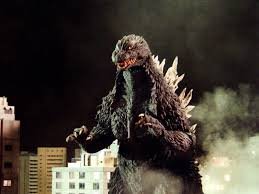
Steve Martin and the Rise of Godzilla: How an American Reporter Helped Launch a Kaiju Icon
No, not that Steve Martin. When Godzilla first emerged from the depths 72 years ago in the original Godzilla’s premiere in Japan, he didn’t immediately capture the hearts of American audiences. It took a unique adaptation – Godzilla: King of the Monsters! – and an American reporter named Steve Martin to bridge the cultural gap and launch Godzilla into international stardom.
The Americanization of a Kaiju Legend
Godzilla: King of the Monsters! wasn’t simply a dubbed version of the original 1954 film. It was a significant edit, adding scenes and introducing Steve Martin, an American reporter, as a point-of-view character for 1950s audiences unfamiliar with Japanese cinema. While the original Godzilla remains a cinematic masterpiece, King of the Monsters! was a largely respectful and effective adaptation that paved the way for Godzilla’s global recognition.
Who Was Steve Martin?
Interestingly, the Steve Martin involved wasn’t the comedic actor we know today. The Only Murders in the Building star was just 10 years old when King of the Monsters! was released. The “Steve Martin” of Godzilla fame was the character created for the American adaptation, portrayed by Raymond Burr. This Steve Martin served as a crucial link for American viewers, offering a familiar face and perspective within a foreign narrative.
Plot Similarities and Key Differences
Both Godzilla (Gojira in Japanese) and Godzilla: King of the Monsters! share a core plot: a giant monster attacks Tokyo, and a scientist possesses a weapon capable of destroying it, grappling with the ethical implications of its use. However, King of the Monsters! made deliberate changes. The original film’s overt references to the horrors of atomic bombs and anti-war themes were toned down. The American version concluded with Steve Martin observing that with Godzilla’s demise, “the world can wake up and live again,” a stark contrast to the original’s somber warning about the potential for future Godzilla’s if nuclear testing continued.
A Clever Adaptation
Filmed in just six days, utilizing sets and body doubles, King of the Monsters! was a remarkably efficient adaptation. Much of the original Japanese dialogue remained untranslated, with Steve Martin (and the audience) receiving translations, reinforcing the film’s Japanese origins. The film’s structure, opening in medias res with an injured Steve Martin being rescued from the ruins of Tokyo, was a clever storytelling choice.
The Impact of ‘King of the Monsters!’
Godzilla: King of the Monsters! became only the fourth foreign film to gross over $1 million at the American box office in 1956. This success is largely attributed to the inclusion of a relatable American character. It’s hard to imagine this happening with a subtitled or minimally altered version of the original film in the mid-1950s. Audiences needed someone like Steve Martin to serve as their entry point into this foreign story.
Steve Martin Returns in ‘Godzilla 1985’
Raymond Burr, and therefore Steve Martin, revisited the role nearly 30 years later in Godzilla 1985, an American re-edit of The Return of Godzilla. While this version wasn’t as successful as its predecessor, Burr’s commitment to portraying Godzilla with respect remained unwavering. He refused to allow the producers to turn his character into a comedic figure, recognizing the monster’s deeper significance as a nuclear allegory.
A Lasting Legacy
Steve Martin, the American reporter, played a pivotal role in introducing Godzilla to the West. He understood that this was no ordinary monster, and that understanding resonated throughout his portrayals. While the other Steve Martin – the comedian – had risen to fame by the mid-1980s, the legacy of the first Steve Martin remains firmly cemented in kaiju history. He helped ensure that Godzilla wasn’t just a spectacle, but a symbol with a powerful message.
Learn more about the history of Godzilla at Britannica.