
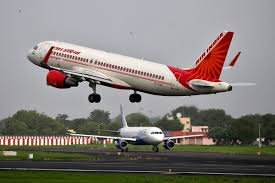
Airbus A320 Glitch Averted: What It Means for Air Canada Flights and Canadian Travel
A recent software glitch impacting Airbus A320 family jets sent global airlines into a scramble, but swift action by carriers worldwide, including those operating Air Canada flights and other major routes, helped avert widespread travel chaos. The incident, which saw a partial recall by the European planemaker, threatened significant disruptions just ahead of a busy travel period in North America. Thankfully, prompt intervention ensured most flights remained on schedule.
The problem arose from a software issue affecting thousands of Airbus A320 jets, a workhorse for many airlines globally. Airbus, the European aircraft manufacturer, issued an advisory, prompting airlines to implement a fix before resuming flights. This family of aircraft, which recently surpassed the Boeing 737 as the industry’s most-delivered model, is crucial for both short-haul and medium-haul routes across Canada and beyond.
Airlines Act Fast: Preventing Disruption to Air Canada Flights & Global Travel
In a testament to the industry’s commitment to safety and operational efficiency, airlines worked through the night to address the software bug. Major carriers like American Airlines, United Airlines, Delta Air Lines, and Air India reported having completed or nearly completed the necessary fixes to their fleets. This rapid response was critical, especially with high travel demand following the U.S. Thanksgiving holiday weekend, which often impacts cross-border and connecting Air Canada flights.
Canadian travellers, particularly those planning or returning from trips, may have initially had concerns regarding potential delays or cancellations. However, the coordinated global effort meant that the worst-case scenario of hundreds of halted flights was largely avoided. U.S. Transportation Secretary Sean Duffy affirmed the significant progress made by affected U.S. carriers, ensuring they were on track to meet the repair deadline.
Understanding the Impact and Industry Response
While the immediate operational impact was contained, the incident highlighted the complexities of modern aviation and the pressures on airline maintenance. Airbus CEO Guillaume Faury issued an apology to airlines and passengers, acknowledging the surprise recall of approximately 6,000 planes – more than half of the global A320-family fleet.
“I want to sincerely apologise to our airline customers and passengers who are impacted now,” Faury stated.
Industry executives noted that an abrupt action like this, even for a software fix, presents a significant challenge, especially with ongoing labour and parts shortages affecting maintenance worldwide. However, the swift resolution underscores the robustness of aviation safety protocols and the collaborative spirit within the industry.
What This Means for Future Air Canada Flights and Canadian Travellers
For passengers booked on Air Canada flights or other airlines operating A320 aircraft, this successful resolution means continued confidence in their travel plans. The incident serves as a reminder of the continuous vigilance required to maintain the highest safety standards in air travel. While temporary inconveniences can arise, the system is designed to identify and rectify issues quickly, safeguarding passengers.
Aviation authorities globally, including Transport Canada, work closely with airlines and manufacturers to ensure that all aircraft meet rigorous safety standards. This ensures that when you board a plane, whether it’s an Air Canada flight across the country or an international journey, your safety is the absolute priority.
The prompt action by airlines and Airbus effectively mitigated a potentially major crisis, allowing millions of passengers to travel with minimal disruption. It’s a clear example of how the aviation industry adapts and responds to maintain the integrity and safety of air travel worldwide.



