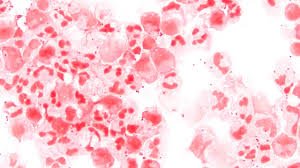
Understanding Meningococcal Disease: A Comprehensive Guide
Meningococcal disease is a serious bacterial infection that can lead to severe illness and even death. It’s crucial to understand the risks, symptoms, and preventative measures to protect yourself and your loved ones. This guide provides a comprehensive overview of meningococcal disease, covering everything from causes and symptoms to treatment and vaccination.
What is Meningococcal Disease?
Meningococcal disease refers to any infection caused by *Neisseria meningitidis*, a bacterium that can cause meningitis (inflammation of the membranes surrounding the brain and spinal cord) and bloodstream infections (septicemia). While relatively rare, it can progress rapidly and be life-threatening, especially in infants, children, and young adults. The disease is spread through close contact, such as kissing, coughing, or sharing utensils.
Symptoms of Meningococcal Disease
The symptoms of meningococcal disease can be similar to those of the flu, making early detection challenging. However, it’s vital to be aware of the potential signs. Common symptoms include:
- High fever
- Severe headache
- Stiff neck
- Nausea and vomiting
- Sensitivity to light (photophobia)
- Confusion and difficulty concentrating
- Skin rash (often appearing as tiny, red or purple spots)
In cases of septicemia, symptoms may also include rapid breathing, cold hands and feet, and altered mental status. **If you suspect someone has meningococcal disease, seek immediate medical attention.** Time is of the essence.
Causes and Risk Factors
*Neisseria meningitidis* bacteria are commonly carried in the back of the nose and throat of about 1 in 10 people, particularly adolescents and young adults. Most carriers don’t get sick, but they can spread the bacteria to others. Certain factors increase the risk of developing meningococcal disease, including:
- Age (infants and young adults are most vulnerable)
- Living in close quarters (dormitories, boarding schools, military barracks)
- Weakened immune system
- Travel to areas where the disease is common (sub-Saharan Africa)
- Exposure to someone with the disease
Prevention: Vaccination is Key
The most effective way to protect against meningococcal disease is through vaccination. Several types of meningococcal vaccines are available, offering protection against different strains of the bacteria. The Centers for Disease Control and Prevention (CDC) recommends routine vaccination for adolescents and certain high-risk groups. [Learn more about recommended vaccines from the CDC](https://www.cdc.gov/meningitis/vaccines/index.html).
Treatment Options
Meningococcal disease requires immediate medical treatment. Treatment typically involves intravenous antibiotics, which are most effective when started early. Supportive care, such as fluids and oxygen, may also be necessary. Even with prompt treatment, meningococcal disease can cause serious complications, including brain damage, hearing loss, and limb amputation.
Protecting Your Community
If you or someone you know has been exposed to meningococcal disease, it’s important to contact a healthcare professional. Preventative antibiotics may be recommended for close contacts to reduce the risk of infection. Staying informed and taking preventative measures are crucial steps in protecting yourself and your community from this serious illness.