
Winter Storm Alert: What Today’s Weather Means for Your Post-Holiday Travel and Temperatures
After indulging in holiday festivities, many Americans are now facing a daunting challenge: a massive winter storm that’s turning post-holiday travel into a nightmare. Forget the food coma – today’s weather is the biggest indigestion of all, threatening to upend plans for millions across the nation. This powerful system has already left a trail of chaos, from grounded flights to treacherous road conditions, and is ushering in an Arctic blast set to plunge temperatures to dangerous lows.
A Cross-Country Storm’s Destructive Path
What began as a Friday disturbance in the Rockies rapidly escalated into a formidable cross-country storm. Over the weekend, it placed approximately 49 million people in the Northern US under winter weather alerts, signaling widespread impacts. The storm’s progression has been relentless, bringing a mix of heavy snow, rain, and even icy conditions across vast stretches of the country.
Travel Nightmare: Flights Grounded, Roads Treacherous
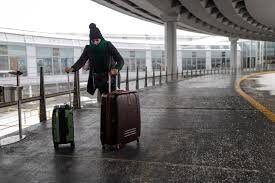
For those attempting to fly, the journey home has been anything but smooth. Early Sunday morning alone saw over 400 US flights canceled, according to FlightAware. This followed a staggering 1,900+ cancellations on Saturday, predominantly due to severe winter weather gripping the Midwest. Chicago, a major travel hub, bore the brunt of the disruptions, with over 1,100 flights to and from O’Hare International Airport canceled and 800+ delayed on Saturday. The Windy City recorded a record-breaking 8.4 inches of snow, setting a new November maximum.
Road conditions have proven equally perilous. Iowa State Patrol rescued nearly 200 people from ditches, with Sgt. Alex Dinkla warning, “Road conditions are absolutely deteriorating very quickly.” Officials from the Illinois Department of Transportation urged citizens to avoid non-essential travel. In Indiana, a massive pileup involving 35 cars and 10 semi-trucks shut down a crucial section of Interstate 70 for five hours, leading to multiple minor injuries. Even south of the snowy regions, rain and thunderstorms posed localized flash flooding risks, further complicating travel plans.
The Arctic Blast: Freezing Temperatures Descend
As the storm moves eastward, its backside is opening the floodgates for a brutal rush of frigid Arctic air. Temperatures are plummeting for millions just before December begins, marking a stark shift into meteorological winter. Highs in the teens and low 20s are expected as far south as Nebraska, with overnight lows dipping into single digits across much of the north-central US. Parts of Montana, the Dakotas, and the Upper Midwest could wake up to sub-zero temperatures.
This widespread cold will be 15 to 20 degrees colder than typical for much of the central US, with some areas in the Midwest experiencing highs 30 degrees below normal. Even the Lower 48 will see overnight lows at or below freezing. This extreme cold, potentially a preview of deeper winter cold from a polar vortex disruption, will persist for days, making it essential to prepare for the freezing conditions.
What to Expect Next: Lingering Effects and New Systems
While the initial storm pushes away from the East Coast late Sunday evening, its effects won’t vanish quickly. Widespread accumulating snow will stretch from the Rockies to Appalachia to close out November, making it the first storm this season to accomplish such a feat. For those who postponed travel, be warned: Mother Nature has more in store.
Early Monday morning, a new system will begin to form over the Ark-La-Tex region, bringing additional rain and snow to areas already hit over the weekend, including Des Moines, St. Louis, and Chicago. Heavy rain is also forecast for much of the Southeast and Gulf Coast regions, with a Level 1 out of 4 risk of excessive rainfall for cities like Houston, New Orleans, and Atlanta.
Stay Safe and Informed
The impact of today’s weather and the evolving forecast cannot be overstated. From travel disruptions to dangerous temperature drops, vigilance is key. If you must travel, exercise extreme caution, allow extra time, and monitor local advisories. For those staying home, ensure your property is prepared for the severe cold. Stay updated with your local weather forecasts and prioritize safety as winter makes its dramatic entrance.



