Niagara Falls. The name itself evokes images of raw power, stunning beauty, and a touch of mist on your face. This iconic landmark, straddling the border between Canada and the United States, isn’t just a waterfall; it’s an experience. Millions of visitors flock here annually to witness the sheer majesty of nature’s force, and for good reason. But Niagara Falls is more than just a visual spectacle – it’s steeped in history, offers a wealth of activities, and continues to captivate generations.
A Brief History of Niagara Falls
The story of Niagara Falls began over 12,000 years ago, at the end of the last ice age. Glacial meltwater carved out the Niagara River and, eventually, the falls themselves. Indigenous peoples, particularly the Neutral Nation, revered the falls long before European arrival, calling it “Onguiaahra” – meaning “the strait of the whirlpool.” European explorers first documented the falls in the 17th century, and its fame quickly spread. Throughout the 19th and 20th centuries, Niagara Falls became a popular honeymoon destination and a hub for hydroelectric power generation. The harnessing of the falls’ energy was a significant technological achievement, though it also sparked debates about conservation and preservation. You can learn more about the history of hydroelectric power here.
The Three Waterfalls That Make Up Niagara
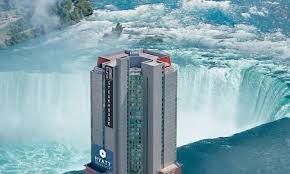
Niagara Falls isn’t a single waterfall, but a collective of three distinct falls: Horseshoe Falls (Canadian Falls), American Falls, and Bridal Veil Falls. Horseshoe Falls is the largest and most impressive, accounting for approximately 90% of the Niagara River’s flow. American Falls is the second largest, and Bridal Veil Falls, the smallest, adds a delicate touch to the overall panorama. The combined effect is a breathtaking display of nature’s power.
Things to Do at Niagara Falls
- Maid of the Mist: A classic boat tour that takes you right into the mist at the base of the falls.
- Journey Behind the Falls: Descend deep below and behind Horseshoe Falls for a unique perspective.
- Niagara Helicopters: Enjoy a stunning aerial view of the falls and surrounding landscape.
- Niagara-on-the-Lake: Explore this charming historic town, known for its wineries and Shaw Festival.
- Clifton Hill: A vibrant entertainment district with attractions, restaurants, and shops.
Beyond the immediate falls area, the Niagara region offers a wealth of attractions. Wine enthusiasts can indulge in tours and tastings at the numerous wineries in Niagara-on-the-Lake. For those seeking a bit of culture, the Shaw Festival presents world-class theatre performances. And for families, Clifton Hill provides endless entertainment options.
Planning Your Visit
The best time to visit Niagara Falls is during the shoulder seasons (spring and fall) when the crowds are smaller and the weather is pleasant. Summer is peak season, offering warm temperatures but also larger crowds and higher prices. Winter transforms the falls into a frozen wonderland, but some attractions may be closed. Remember to pack comfortable shoes, a waterproof jacket, and a camera to capture the unforgettable views. For more information on planning your trip, visit the official Niagara Parks website.