Mastering the Track: Inside F1 Race Strategy at the Electrifying Qatar Grand Prix
The roar of engines, the scent of burning rubber, and the relentless pursuit of victory – a Formula 1 race is a symphony of speed, skill, and unparalleled strategy. While the drivers are the gladiators of the track, the true architects of triumph often reside behind the pit wall. Nowhere is this more evident than at a circuit as demanding as the Lusail International Circuit, home to the thrilling Qatar Grand Prix.
As fans brace themselves for another high-octane F1 race, all eyes turn to the intricate decisions that will unfold on race day. From tyre choices to pit stop timings, every strategic move has the power to define champions and shatter dreams.
The Strategic Chessboard of the Qatar Grand Prix
The Lusail International Circuit in Qatar presents a unique challenge for Formula 1 teams. Known for its high-speed straights and sweeping corners, it pushes both cars and drivers to their absolute limits. This intense environment magnifies the importance of a robust F1 race strategy, especially when championship contenders are battling wheel-to-wheel.
Tyre Tactics: A Game of High Stakes
Tyres are the lifeblood of an F1 car, and their management is arguably the most critical component of any successful strategy. At the Qatar Grand Prix, the scorching track temperatures and abrasive surface demand careful consideration of Pirelli’s various compounds – soft, medium, and hard. Last year’s race saw a dominant medium-to-hard one-stop strategy, with an optimal pit window around Lap 20, but conditions and regulations always evolve.
Adding a layer of intrigue to the upcoming F1 race, teams face unusual restrictions on tyre usage. These measures are specifically tailored to prevent a repeat of last year’s unfortunate punctures, which significantly impacted the race outcome. This means engineers must devise even more creative tyre strategy, potentially making the pit stop scenarios more complex, or perhaps, surprisingly straightforward depending on how teams adapt.
The Art of the Pit Stop: Precision Under Pressure
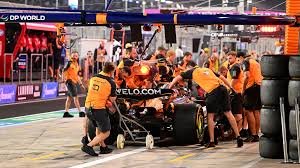
A Formula 1 pit stop is a breathtaking ballet of precision and speed, often completed in under two seconds. These fleeting moments are where races can be won or lost. Teams meticulously plan their pit stop strategy, considering factors like tyre degradation, track position, and the performance of rival cars. Will it be a one-stop race, a more aggressive two-stopper, or even a tactical three-stopper? The choices made in these crucial seconds can dictate the entire race flow.
Championship Drama: Who Will Blink First?
Beyond the technicalities of strategy, the human element adds an undeniable thrill. With three championship contenders often lining up at the front, every F1 race becomes a personal battle. Imagine the pressure on drivers like Lando Norris, who could potentially secure a World Championship under the right circumstances. But first, he’ll need to navigate past fierce competitors like his teammate Oscar Piastri and the formidable Max Verstappen.
The Lusail circuit, with its “ultra-high-speed game of chicken,” demands unwavering courage and strategic brilliance. The unfolding drama, combined with the unique tyre restrictions, promises an unpredictable and unforgettable Formula 1 showdown. Who will master the track and claim victory at this pivotal Grand Prix?
From the nuanced F1 race strategy to the sheer spectacle of the championship battle, the Qatar Grand Prix is set to deliver edge-of-your-seat action. Be ready for a race where every decision, every lap, and every pit stop matters.