
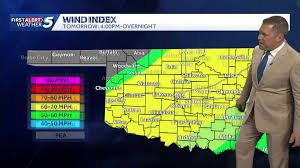
Severe weather is a constant threat across many parts of the United States, and staying informed is paramount to safety. Chief Meteorologist Damon Lane provides the most up-to-date timeline for heavy rain and potential storms, utilizing cutting-edge tornado radar technology. Understanding how to interpret radar images and heed severe weather alerts can be the difference between safety and danger.
Understanding Tornado Radar & Severe Weather
Tornado radar isn’t just about spotting funnels; it’s a sophisticated system that detects precipitation, wind patterns, and atmospheric conditions conducive to tornado formation. Doppler radar, in particular, is crucial. It measures the speed and direction of wind, allowing meteorologists to identify rotation within storms – a key indicator of potential tornado development. This technology has dramatically improved our ability to provide advanced warnings.
Here’s a breakdown of what you should look for when interpreting radar maps:
- Hook Echoes: These are often associated with supercell thunderstorms and can indicate a rotating updraft, a precursor to tornado formation.
- Velocity Couplets: These show areas of rapidly changing wind speeds, suggesting rotation.
- Bright Colors: Indicate heavier precipitation. While not directly related to tornadoes, heavy rain can contribute to flooding.
Staying Safe During Severe Weather
Knowing what the tornado radar is showing is only half the battle. Here are essential safety tips:
- Have a Plan: Develop a family emergency plan and practice it regularly. Know where your designated safe room is.
- Stay Informed: Monitor local news, weather apps, and the National Weather Service (https://www.weather.gov/) for updates.
- Seek Shelter: If a tornado warning is issued, immediately seek shelter in a basement, storm cellar, or interior room on the lowest floor of a sturdy building.
- Protect Yourself: Cover your head and neck with your arms.
- After the Storm: Be aware of downed power lines and debris.
Hearst Television is committed to providing accurate and timely weather information. We participate in affiliate marketing programs, and may earn a commission when you purchase through links on our site, allowing us to continue delivering vital services like tornado radar tracking and severe weather reporting.
Remember, preparedness is key. Don’t wait until a storm is upon you to learn about radar technology and safety procedures. Stay vigilant, stay informed, and stay safe.



