
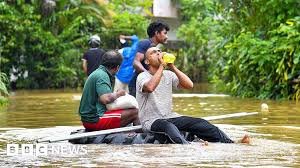
Sri Lanka Battles Catastrophic Floods and Mudslides: A Nation in Crisis
The beautiful island nation of Sri Lanka is currently enduring one of its most severe weather disasters in recent history. Torrential rains have unleashed devastating floods and mudslides across the country, claiming at least 193 lives, with over 200 people still unaccounted for. This tragic event has prompted a national state of emergency as communities grapple with widespread destruction and displacement.
The Unprecedented Scale of the Disaster in Sri Lanka
The sheer scale of the humanitarian crisis gripping Sri Lanka is immense. According to the Disaster Management Centre (DMC), more than 20,000 homes have been destroyed, forcing approximately 108,000 people into temporary state-run shelters. The immediate aftermath of Cyclone Ditwah, which brushed the eastern coast before moving away, has left about a third of the country without essential services like electricity and running water, exacerbating the already dire situation.
Evacuation orders remain in effect for several regions as the water levels of the Kelani River continue to rise rapidly, posing an ongoing threat to thousands. The highest number of fatalities has been reported in the central districts of Kandy and Badulla, where numerous areas remain cut off from emergency services and aid.
Voices from the Ground: Surviving the Deluge
The human stories emerging from the affected regions underscore the profound impact of this disaster. Saman Kumara, a resident of Maspanna village in Badulla, shared a harrowing account: “We lost two people in our village… others are sheltering in a temple and a house that is still standing. We can’t leave the village, and no one can come in because all roads are blocked by landslides. There is no food, and we are running out of clean water.”
Tales of dramatic rescues offer glimpses of hope amidst the devastation. In the north-central district of Kurunegala, 11 residents of an elderly care home tragically perished when their facility was engulfed by floodwaters. However, a significant rescue operation in Anuradhapura saw 69 people saved from a submerged bus. One passenger, WM Shantha, recounted the terrifying experience to AFP, describing how the navy helped them scale the roof of a nearby building, and their miraculous escape when a part of that roof collapsed, with three women falling into the water only to be rescued again.
A Global Appeal for Solidarity: Sri Lanka Seeks International Aid
In response to the escalating crisis, the Sri Lankan government has issued an urgent appeal for international aid. They are calling upon the global community and Sri Lankans living abroad to contribute financial assistance to support the affected communities. Organizations like the UN Office for the Coordination of Humanitarian Affairs (OCHA) are crucial in coordinating these efforts.
This widespread flooding comes during Sri Lanka’s monsoon season, yet the intensity and scale of this extreme weather event are exceptionally rare for the island. The nation’s worst flooding this century occurred in June 2003, which resulted in 254 deaths and displaced hundreds of thousands, a grim benchmark that this current disaster threatens to surpass.
How You Can Help Support Sri Lanka
As Sri Lanka faces this immense challenge, international support is vital. Donations to reputable humanitarian organizations working on the ground can provide much-needed relief in the form of food, clean water, medical supplies, and temporary shelter. Every contribution can make a difference in helping the affected communities rebuild their lives and recover from this devastating natural catastrophe.



