April Fool’s Day: When Jokes Go Wrong – Hilarious Pranks That Backfired
April Fool’s Day, a tradition steeped in playful deception, isn’t always met with laughter. Sometimes, a well-intentioned prank can spiral into chaos, leaving a trail of confusion, anger, and even legal battles. Let’s dive into some infamous examples where April Fool’s jokes went spectacularly wrong.
The Great Blue Hill Eruption Hoax (1980)
Back in 1980, a Boston TV station decided to spice up their April Fool’s Day broadcast with a prank. They reported that Great Blue Hill, an ancient (and extinct!) volcano in Milton, Massachusetts, was erupting. According to Boston Geology, the hill is over 440 million years old and hasn’t seen activity for millennia. The station used footage from the recent Mount St. Helens eruption and even incorporated a warning from then-President Jimmy Carter to make the story seem authentic.
While a disclaimer stating “April Fool” was aired, many viewers missed it. Panic ensued, with people calling emergency services, fearing evacuation was necessary. One man even carried his sick wife outside, believing their home was about to be engulfed in lava! The station issued an apology, and the producer responsible was fired for poor judgment and violating FCC regulations. You can find more details on this incident at the Museum of Hoaxes.
Tesla’s ‘Bankrupt’ Tweet (2018)
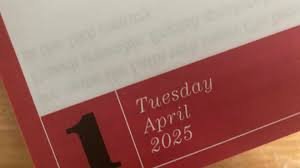
April 1, 2018, was already a turbulent time for Tesla, facing production issues, recalls, and legal challenges. Instead of lying low, Elon Musk announced on Twitter that Tesla had gone “completely and totally bankrupt,” even joking about filing for “Chapter 14 and a half.”
While intended as an April Fool’s prank, investors weren’t amused. Tesla shares plummeted another 5%, and experts questioned Musk’s leadership, as reported by The Washington Post. This demonstrates how a seemingly harmless joke can have serious financial consequences.
The Hummer That Wasn’t (2005)
In 2005, a radio station in Bakersfield, California, promised a new Hummer to the listener who correctly guessed the mileage of their Hummer H2. Shannon Castillo correctly guessed 103.9 miles (matching the station’s frequency) and arrived at the station expecting a $60,000 vehicle. Instead, she received a toy truck.
Outraged, Castillo filed a lawsuit against the station for $60,000, as detailed by CBS News. This case highlights the importance of clear contest rules and avoiding misleading promises.
The Yoda Prize (2001)
A Hooters waitress in Florida won a competition to sell the most beer on April 1, 2001, with the grand prize being a new Toyota. Blindfolded, she was led to the parking lot, only to be presented with a Star Wars Yoda doll.
Understandably furious, Jodee Berry quit her job and sued Hooters for fraudulent misrepresentation. The lawsuit was settled in 2002, with Berry receiving enough compensation to purchase her desired Toyota, according to the Orlando Sentinel.
Google’s Mic Drop Mishap (2016)
Even tech giants aren’t immune to April Fool’s Day blunders. Google’s “Mic Drop” feature in Gmail, intended to add a dramatic GIF to emails, backfired due to a coding error. The feature activated unintentionally, causing frustration for users. Google quickly apologized, acknowledging the joke “missed the mark,” as reported by USA TODAY.
These examples serve as a cautionary tale: while April Fool’s Day is meant to be fun, it’s crucial to consider the potential consequences of your pranks. Sometimes, the joke’s on you!