Unveiling the Aurora: A Celestial Spectacle
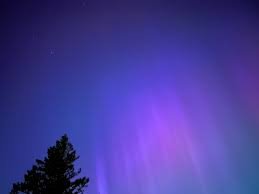
The aurora borealis, commonly known as the Northern Lights, and its southern counterpart, the aurora australis, are among the most captivating natural displays on Earth. These shimmering curtains of light dance across the night sky, painting it with vibrant hues of green, pink, purple, and red. But witnessing this magical phenomenon requires planning and understanding the factors that influence its visibility. This guide provides a comprehensive **aurora forecast** and everything you need to know to maximize your chances of experiencing this breathtaking spectacle.
Understanding the Science Behind the Aurora
The aurora is caused by charged particles from the sun, known as the solar wind, colliding with atoms and molecules in Earth’s atmosphere. These collisions excite the atmospheric gases, causing them to emit light. The color of the aurora depends on the type of gas and the altitude of the collision. Oxygen produces green and red light, while nitrogen produces blue and purple light. The Earth’s magnetic field guides these particles towards the poles, which is why auroras are most frequently seen in high-latitude regions. You can learn more about the science behind auroras at the [Space Weather Prediction Center](https://www.swpc.noaa.gov/).
Decoding the Aurora Forecast
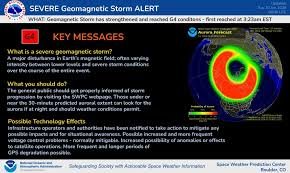
An **aurora forecast** isn’t a simple prediction like the weather. It’s a probabilistic assessment based on several factors, including solar activity, geomagnetic conditions, and the Kp index. The Kp index measures the disturbance level of the Earth’s magnetic field. A higher Kp index (ranging from 0 to 9) indicates a greater chance of seeing the aurora at lower latitudes. Generally:
* **Kp 0-3:** Aurora visible only at high latitudes.
* **Kp 4:** Aurora may be visible in parts of Canada and Alaska.
* **Kp 5:** Aurora visible in more populated areas of Canada and Alaska, and potentially in the northern US states.
* **Kp 6 or higher:** Aurora visible across a wider range of latitudes, including potentially in the UK, Scandinavia, and other northern regions.
Several websites provide **aurora forecasts**, including [SpaceWeatherLive](https://www.spaceweatherlive.com/) and [Aurora Forecast](https://www.auroraforecast.is/). These sites often display real-time data and predictions based on current solar activity.
Tips for Aurora Viewing
- **Location, Location, Location:** Head to areas with minimal light pollution. Dark skies are crucial for optimal viewing.
- **Check the Moon Phase:** A full moon can wash out the aurora. Aim for a new moon or a crescent moon.
- **Be Patient:** The aurora can be unpredictable. Be prepared to wait, and dress warmly!
- **Look North (or South):** In the Northern Hemisphere, look towards the northern horizon. In the Southern Hemisphere, look south.
- **Use a Camera:** Even if the aurora appears faint to the naked eye, a camera with a long exposure can capture its beauty.
Planning your trip around a strong **aurora forecast** significantly increases your chances of witnessing this incredible natural wonder. Remember to check multiple sources for the most accurate information and be prepared for changing conditions. The magic of the Northern Lights awaits!