Full Pink Moon 2026: A Celestial Spectacle You Won’t Want to Miss
Mark your calendars! The Full Pink Moon – the fourth of thirteen full moons gracing our skies in 2026 – will reach its peak illumination on Wednesday, April 1st, 2026. This isn’t just any full moon; it’s a captivating event steeped in tradition and offering a breathtaking visual display.
Why is it Called the ‘Pink Moon’?
Despite its name, the Full Pink Moon doesn’t actually appear pink in colour (though atmospheric conditions *can* sometimes give it a subtle hue). The moniker originates from the vibrant pink phlox wildflowers that traditionally bloom across North America during this time of year. It’s a beautiful connection to the arrival of spring and the renewal of nature.
When and Where to See the Full Pink Moon
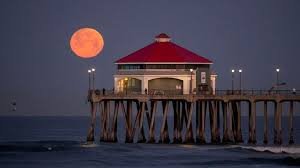
The moon will officially be full at 10:13 p.m. EDT (7:13 p.m. PDT) on Wednesday, April 1st. For the best viewing experience, look towards the eastern horizon at dusk. The moon appears most dramatic when rising during the “blue hour” – that magical time between daylight and darkness – creating a stunning contrast.
West Coast Spectacle: For observers on the west coast, a rare alignment will occur! According to sunrisesunset.com, the moment of full moon, sunset, and moonrise will coincide at precisely 7:13 p.m. PDT. This makes it a particularly special opportunity for viewing.
Beyond the Pink: Historical and Cultural Significance
Indigenous cultures have long recognized and celebrated the full moons. The Almanac reports that February’s full moon has been known by names like Breaking Ice Moon, Frog Moon, and Sucker Moon, reflecting the seasonal changes and natural events of the time.
A Celestial Companion: Spica the Star
The magic doesn’t end with the moon itself. On April 2nd, the day after the full moon, it will appear less than two degrees from Spica, the 16th brightest star in the night sky. This close proximity offers a beautiful pairing for stargazers.
Tips for Optimal Viewing
- Find an Elevated Location: A hilltop, open field, or east-facing coastline will provide an unobstructed view.
- Check a Moonrise Calculator: Determine the precise time the moon will rise in your location for optimal viewing.
- Clear Skies are Key: Ensure a clear view of the eastern horizon.
The Pink Moon and Easter
This year, April’s pink moon also holds religious significance as the ‘paschal moon’. In the Western Christian tradition, Easter Sunday is determined as the Sunday following the first full moon after the spring equinox. The spring equinox occurred on March 20th this year, and the pink moon is the decisive factor, meaning Easter Sunday will fall on April 5th.
Locating Spica
Finding Spica is easier than you think! Look northeast for the Big Dipper, standing on its handle. Trace the handle’s curved line to “Arc to Arcturus,” the next bright star in the night sky, low in the east. Then, “speed on to Spica,” darting along the horizon to the bright star just below the pink moon.
A Year of Full Moons
The Full Pink Moon is just one of thirteen full moons in 2026. Because a lunar year is shorter than a solar year, we occasionally experience thirteen full moons in a single calendar year. This year has already gifted us with a “blood moon” total lunar eclipse in March, and will include a “blue moon” in May, as well as supermoons in November and December (the latter falling on Christmas Eve!). The next full moon, the Flower Moon, arrives on May 1st, followed by another full moon on May 31st – a rare blue moon!