
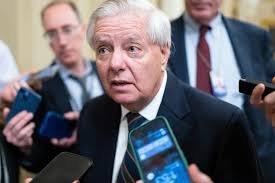
Senator Lindsey Graham, a prominent Republican figure, has recently found himself at the center of a brewing controversy involving the Walt Disney Company. His remarks, made during a public appearance, have ignited a firestorm of debate, raising questions about the intersection of politics and entertainment, and potentially signaling a new front in the ongoing culture wars.
The Spark: Graham’s Comments and the Backlash
The controversy began when Senator Graham publicly criticized Disney’s response to Florida’s Parental Rights in Education Act, often referred to as the “Don’t Say Gay” law. He accused the company of bowing to political pressure and abandoning conservative values. These statements quickly drew condemnation from LGBTQ+ advocates, Disney employees, and many on social media. The backlash highlighted the growing polarization surrounding the law and Disney’s position within it.
Graham’s comments weren’t simply a critique of Disney’s business decisions; they represented a broader attack on the company’s perceived “wokeness” – a term frequently used by conservatives to describe progressive social and political stances. This framing taps into a larger narrative about corporate responsibility and the role of businesses in shaping cultural values. It’s a continuation of a trend where companies are increasingly expected to take a stand on social issues, often facing criticism from both sides of the political spectrum.
Disney’s Response and the Florida Conflict
Disney initially remained relatively quiet on the Florida legislation, a decision that drew criticism from within the company and from activist groups. However, after mounting pressure, CEO Bob Chapek publicly opposed the law and pledged to work to repeal it. This shift in stance prompted a swift and forceful response from Florida Governor Ron DeSantis and the state legislature. DeSantis signed legislation dissolving the Reedy Creek Improvement District, a special district that allowed Disney to self-govern its property in Florida for over 50 years. The New York Times provides detailed coverage of this legislative action.
The Political Implications
The clash between Senator Graham, Disney, and Florida’s government has significant political implications. It underscores the increasing willingness of politicians to engage in culture wars, using companies like Disney as symbolic battlegrounds. This situation also raises questions about the power of corporations to influence legislation and the potential consequences of taking a political stance. The conflict could set a precedent for future interactions between businesses and state governments, particularly in states with strong ideological divides.
Furthermore, the situation highlights the challenges faced by large corporations in navigating a politically charged environment. Disney, a global brand with a diverse audience, must balance its business interests with its social responsibilities. The company’s handling of the Florida situation will likely be scrutinized for years to come, serving as a case study for other corporations facing similar pressures. Brookings Institution offers insights into corporate political responsibility.
What’s Next?
The future of Disney’s relationship with Florida remains uncertain. Legal challenges to the dissolution of the Reedy Creek Improvement District are expected, and the political fallout from this conflict will likely continue to unfold. Senator Graham’s continued involvement in the debate suggests that this issue will remain in the spotlight for the foreseeable future. The situation serves as a stark reminder of the increasing politicization of American culture and the challenges faced by businesses operating in a highly polarized environment.



