
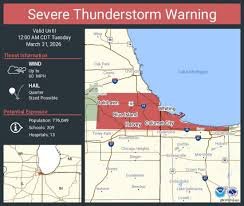
Severe Thunderstorm Warning: What You Need to Know
A severe thunderstorm warning means conditions are ripe for dangerous weather. It’s not just a bit of rain and thunder; these storms can bring damaging winds, large hail, and even tornadoes. Understanding what a severe thunderstorm warning signifies and how to react is crucial for protecting yourself and your loved ones.
What Does a Severe Thunderstorm Warning Actually Mean?
The National Weather Service (NWS) issues a severe thunderstorm warning when a thunderstorm is occurring with winds of 58 mph or greater and/or hail of 1 inch in diameter or larger. These conditions pose a significant threat to life and property. It’s different from a severe thunderstorm watch, which means conditions are favorable for severe thunderstorms to develop in the area. A watch means be prepared; a warning means take action immediately.
The Dangers of Severe Thunderstorms
- Damaging Winds: Strong winds can down trees, power lines, and cause structural damage to buildings.
- Large Hail: Hail can damage vehicles, roofs, and crops. Even small hail can cause injury.
- Flash Flooding: Heavy rainfall associated with thunderstorms can lead to rapid flooding, especially in low-lying areas.
- Lightning: Lightning is a serious hazard, causing fires, power outages, and potentially fatal injuries. According to the National Weather Service, lightning rarely strikes the same place twice, but it can strike nearby.
- Tornadoes: Severe thunderstorms can sometimes spawn tornadoes.
Staying Safe During a Severe Thunderstorm Warning
Here’s what to do when a severe thunderstorm warning is issued for your area:
- Seek Shelter: The safest place to be is indoors, in a substantial building. Avoid windows, doors, and anything that can conduct electricity.
- If Outdoors: If you can’t get indoors, find a hard-topped vehicle and close the windows. Avoid trees, water, and metal objects.
- Unplug Electronics: Lightning can travel through electrical systems.
- Stay Informed: Monitor weather updates from reliable sources like the National Weather Service, local news, and weather apps.
- Postpone Outdoor Activities: If a severe thunderstorm is forecast, reschedule outdoor events.
Resources for Real-Time Updates
- National Weather Service: https://www.weather.gov/
- The Weather Channel: https://weather.com/
- AccuWeather: https://www.accuweather.com/
Being prepared and informed is the best way to stay safe during a severe thunderstorm warning. Don’t underestimate the power of these storms, and always prioritize your safety.



