
Germany and Syrian Refugee Returns: A Shifting Landscape
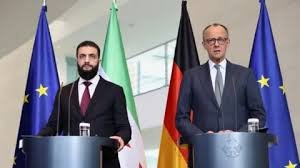
German Chancellor Friedrich Merz has expressed hope that approximately 80% of Syrian refugees currently residing in Germany will return to their homeland within the next three years. This announcement follows a meeting with Syrian President Ahmed al-Sharaa in Berlin, marking a significant shift in Germany’s approach to the nearly one million Syrians who sought refuge during the Syrian civil war.
A Changed Situation in Syria
Chancellor Merz stated that the situation in Syria has “now changed fundamentally” more than a year after the official end of the war, necessitating a reassessment of protection needs. However, details regarding the logistics of these returns remain scarce. This move comes amidst a hardening stance on immigration within Germany, fueled by growing support for the anti-immigration AfD party.
Phased Approach to Returns
Initially, the government’s focus will be on returning individuals who no longer possess valid residency rights, particularly those with criminal records. However, Merz anticipates a broader wave of returns, aligning with President al-Sharaa’s expressed hope. He acknowledged the significant contributions made by Syrian refugees to German society but emphasized their potential role in rebuilding Syria.
Balancing Return with Retention
Both leaders acknowledged that some Syrians would choose to remain in Germany. Merz specifically highlighted the importance of retaining Syrian doctors and caregivers, recognizing their value to the German healthcare system. President al-Sharaa proposed a “circular” migration model, allowing Syrians to contribute to Syria’s reconstruction while maintaining their lives in Germany for those who wish to stay.
Opposition and Concerns
The plan has faced criticism from opposition parties, such as the Green Party, who argue that the current infrastructure and security situation in Syria make a safe return impossible for many. Franziska Brantner pointed out that many Syrians are deeply integrated into German society, holding essential jobs and raising families.
Human Rights Concerns and Protests
President al-Sharaa’s visit was met with protests, particularly from the Kurdish Community in Germany (KGD), who urged Chancellor Merz to demand guarantees for the protection of minorities in Syria. Accusations of human rights violations and war crimes against al-Sharaa further complicate the situation.
Syria’s Post-War Challenges
Al-Sharaa came to power in December 2024, ending over a decade of civil war. While he vowed to reunify Syria, the country remains deeply divided and plagued by sectarian violence. Recent clashes between government forces and Kurdish groups in the north-east highlight the ongoing instability. Constitutional reform efforts are underway, but Kurdish representatives express concerns about a lack of representation and guarantees for minority rights. The Druze community also seeks greater autonomy.
Echoes of the 2015 Refugee Crisis
Many Syrians arrived in Germany during the 2015 refugee crisis, when then-Chancellor Angela Merkel famously declared, “Wir schaffen das” (“We’ll manage this”). While initially seen as a pragmatic response, this statement became a political liability, fueling criticism and contributing to the rise of far-right parties across Europe. Concerns over migration now significantly influence European politics, leading to stricter border controls.
Further Reading: For more information on migration statistics in the UK, explore this interactive tracker from the BBC.



