Northern Lights: A Complete Guide to Witnessing the Aurora Borealis
The Northern Lights, or Aurora Borealis, are one of nature’s most spectacular displays. A shimmering curtain of light dancing across the night sky, they’ve captivated humans for centuries, inspiring myths, legends, and a deep sense of wonder. But what exactly *are* the Northern Lights, and how can you increase your chances of witnessing this breathtaking phenomenon?
What Causes the Northern Lights?
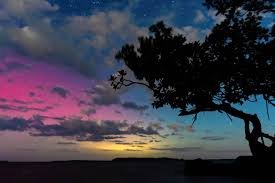
The science behind the Aurora Borealis is fascinating. It all begins with the sun. Our sun constantly emits a stream of charged particles called the solar wind. When this wind reaches Earth, it interacts with our planet’s magnetic field. These particles are then channeled towards the poles, colliding with atoms and molecules in the Earth’s atmosphere. These collisions excite the atmospheric gases, causing them to emit light – the beautiful colors we see as the Northern Lights. Oxygen typically produces green and red light, while nitrogen creates blue and purple hues.
Best Locations to See the Northern Lights
While the Northern Lights occur in a band around the Arctic Circle, some locations offer better viewing opportunities than others. Here are some of the best:
- Alaska, USA: Fairbanks is a particularly popular destination, offering excellent viewing opportunities and infrastructure.
- Northern Canada: Yukon, Northwest Territories, and Nunavut provide vast, dark skies perfect for aurora viewing.
- Iceland: Easily accessible and with stunning landscapes, Iceland is a favorite among aurora hunters.
- Norway: Tromsø is known as the “Gateway to the Arctic” and offers a high probability of seeing the lights.
- Sweden & Finland: Lapland, in both countries, provides a magical winter wonderland setting for aurora viewing.
Consider locations with minimal light pollution for the best experience. Websites like Light Pollution Map can help you find dark sky areas.
When is the Best Time to See the Northern Lights?
The best time to see the Northern Lights is during the winter months, from September to April. This is when the nights are long and dark. However, you also need clear skies and strong geomagnetic activity.
Key factors to consider:
- Dark Skies: New moon phases offer the darkest skies.
- Geomagnetic Activity: Check the Space Weather Prediction Center for aurora forecasts. A higher Kp index indicates a greater chance of seeing the lights.
- Solar Flares & Coronal Mass Ejections (CMEs): These events can significantly increase geomagnetic activity.
Tips for Photographing the Northern Lights
Capturing the Aurora Borealis with your camera requires some preparation. Here are a few tips:
- Use a tripod: Long exposures are necessary.
- Wide-angle lens: Capture more of the sky.
- Manual focus: Focus on infinity.
- Low aperture (f/2.8 or lower): Let in more light.
- ISO: Start with ISO 800 and adjust as needed.
- Shutter speed: Experiment between 5-30 seconds.
The Magic of the Northern Lights
Witnessing the Northern Lights is an unforgettable experience. It’s a reminder of the power and beauty of nature, and a humbling glimpse into the vastness of the universe. With a little planning and luck, you too can experience the magic of the Aurora Borealis.