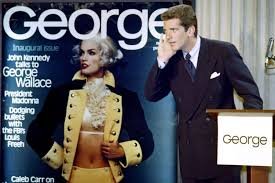
George Magazine: Remembering JFK Jr.’s Audacious Leap into Journalism
In the mid-1990s, the media landscape was abuzz with the launch of George, a glossy political magazine spearheaded by John F. Kennedy Jr. More than just another publication, George represented a bold attempt to inject a fresh, irreverent, and visually striking approach into political journalism. It was a venture fueled by Kennedy’s charisma, a desire to engage a younger audience, and a belief that politics didn’t have to be dry and inaccessible.
The Genesis of an Idea
Kennedy, often referred to as “John-John” by the public, had long been fascinated by the power of media. After a career as a prosecutor, he felt a pull towards a different kind of public service. He envisioned a magazine that would move beyond the traditional, often staid, coverage of politics. He wanted to present politicians not just as figures of policy, but as people – with flaws, humor, and relatable personalities. This vision was a direct response to what he perceived as a growing disconnect between the political elite and the average citizen.
A Unique Approach to Political Coverage
George distinguished itself through its striking photography, celebrity profiles intertwined with political analysis, and a willingness to tackle sensitive topics with a playful, yet insightful, tone. The magazine wasn’t afraid to be provocative. Its covers, often featuring celebrities alongside politicians, were designed to grab attention and spark conversation. Remember the iconic cover featuring Kennedy himself with Kate Moss? It perfectly encapsulated the magazine’s blend of glamour and political intrigue.
The magazine’s editorial content wasn’t limited to traditional political reporting. It featured pieces on pop culture, fashion, and lifestyle, all viewed through a political lens. This approach aimed to broaden its appeal and attract readers who might not typically engage with political news. It was a deliberate attempt to democratize political discourse.
The Rise and Fall
Launched in September 1995, George quickly gained attention, fueled by Kennedy’s celebrity and the novelty of its approach. It enjoyed a period of initial success, attracting a loyal readership and generating significant media buzz. However, maintaining that momentum proved challenging. The magazine struggled to find a sustainable business model, relying heavily on Kennedy’s personal wealth and advertising revenue. Competition from established political publications and the rise of the internet also contributed to its difficulties.
Despite its innovative approach, George ultimately ceased publication in August 2000, just months before Kennedy’s tragic death in a plane crash. The magazine’s demise was a disappointment to many, but its impact on the media landscape remains undeniable.
The Legacy of George Magazine
George may have been short-lived, but it left a lasting legacy. It demonstrated the potential for a more engaging and visually appealing form of political journalism. It paved the way for publications like Politico and The Atlantic, which successfully blend in-depth reporting with a sophisticated aesthetic. More importantly, it reminded us of John F. Kennedy Jr.’s vision for a more accessible and relatable political discourse. His attempt to bridge the gap between politics and popular culture continues to inspire journalists and media innovators today.
You can learn more about JFK Jr.’s life and legacy at the John F. Kennedy Presidential Library and Museum.