Fear Factor: House of Fear – A Deep Dive into the Show’s Legacy and Impact
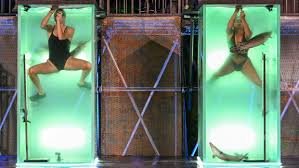
The early 2000s were a golden age for reality television, and few shows captured the zeitgeist quite like Fear Factor. While the original Fear Factor (2001-2006, 2011-2012) pushed contestants to their physical and mental limits with stunts involving heights, speed, and gross-out challenges, Fear Factor: House of Fear (2005) took the concept to a whole new level of psychological terror. This iteration wasn’t just about overcoming physical obstacles; it was about confronting deeply ingrained fears within a haunted house setting.
What Made ‘House of Fear’ Different?
Unlike its predecessor, Fear Factor: House of Fear focused on psychological horror. Contestants weren’t simply eating bugs or jumping from heights; they were navigating a meticulously designed haunted house filled with realistic scares, unsettling imagery, and personalized fears. The show tapped into primal anxieties, creating a truly terrifying experience for both the participants and the viewers. The house itself was a character, constantly shifting and evolving to maximize the fear factor.
Iconic Challenges and Memorable Moments
The challenges within the House of Fear were notoriously difficult. Contestants faced claustrophobic spaces, simulated insect infestations, realistic gore, and psychological manipulation. One particularly memorable challenge involved navigating a dark, winding corridor filled with ‘bodies’ (mannequins, thankfully!). Another featured contestants having to retrieve keys from a room filled with live snakes – a classic Fear Factor element, but amplified by the claustrophobic and unsettling atmosphere of the house.
The Impact on Reality TV
Fear Factor: House of Fear significantly influenced the landscape of reality television. It demonstrated the audience’s appetite for psychological horror and paved the way for shows like The Challenge and even elements found in later seasons of Big Brother. The show proved that fear, when presented effectively, could be incredibly compelling television. It also highlighted the importance of set design and atmosphere in creating a truly immersive and terrifying experience. The show’s success led to a surge in similar themed attractions and haunted houses across the country.
Where Are the Contestants Now?
Many contestants from Fear Factor: House of Fear have largely remained out of the public eye. However, some have continued to pursue careers in entertainment or related fields. Information about the contestants is scattered, but a quick search reveals some have become entrepreneurs, while others have focused on family life. The show served as a launching pad for a few, but for most, it remains a unique and unforgettable experience.
The Enduring Appeal of Fear
Why do we enjoy watching others confront their fears? Psychologists suggest it’s a combination of factors, including schadenfreude (taking pleasure in others’ misfortune), vicarious thrill-seeking, and a sense of mastery over our own anxieties. Fear Factor: House of Fear tapped into these primal instincts, offering viewers a safe and controlled way to experience the adrenaline rush of fear. The show remains a fascinating case study in the psychology of entertainment and the enduring appeal of confronting our deepest anxieties. You can learn more about the psychology of fear at Verywell Mind.
Looking Back: A Legacy of Terror
Fear Factor: House of Fear may have been a relatively short-lived series, but its impact on reality television and popular culture is undeniable. It remains a benchmark for shows that dare to push the boundaries of fear and entertainment. The show’s legacy continues to inspire and terrify audiences today.