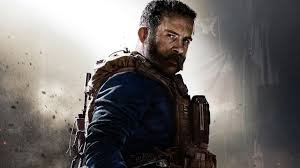
Activision, a name synonymous with blockbuster video games, has been a dominant force in the entertainment industry for decades. From the adrenaline-pumping action of Call of Duty to the immersive worlds of World of Warcraft and the thrilling races of Diablo, Activision’s portfolio has consistently captivated millions of players worldwide. However, the company’s journey hasn’t been without its challenges. Recent years have seen Activision navigate significant controversies and a monumental shift in ownership.
A History of Gaming Innovation
Founded in 1979, Activision initially focused on developing games for the Atari 2600. It quickly established itself as a pioneer, being one of the first independent game developers. The company’s early success paved the way for a long and influential career in the gaming world. Throughout the 90s and 2000s, Activision expanded through strategic acquisitions, bringing iconic franchises under its umbrella. This included the acquisition of Blizzard Entertainment in 2008, creating Activision Blizzard – a gaming behemoth.
Recent Controversies and Legal Battles
Despite its commercial success, Activision Blizzard faced a storm of controversy in 2021, stemming from allegations of a toxic workplace culture, including reports of sexual harassment and discrimination. These allegations led to multiple lawsuits, including one filed by the California Department of Fair Employment and Housing. The fallout was significant, impacting the company’s stock price and reputation. Activision has since pledged to implement changes to address these issues, but the road to recovery is ongoing. You can find more information about the lawsuit and its implications here.
The Microsoft Acquisition: A New Era
In January 2022, Microsoft announced its intention to acquire Activision Blizzard for a staggering $68.7 billion. This deal, finalized in October 2023 after facing regulatory hurdles worldwide, marks a pivotal moment in the gaming industry. The acquisition brings iconic franchises like Call of Duty, Warcraft, and Diablo under the Microsoft umbrella, potentially shaping the future of Xbox Game Pass and cloud gaming. The deal faced scrutiny from regulators concerned about competition, particularly regarding the potential exclusivity of Call of Duty on Xbox platforms. Microsoft’s Gaming News provides updates on the integration and future plans.
What Does the Future Hold for Activision?
With Microsoft at the helm, Activision is entering a new era. The integration process will be crucial, and the company will need to navigate the challenges of balancing its existing franchises with Microsoft’s vision for the future of gaming. Expect to see increased investment in cloud gaming, potentially more exclusive content for Xbox Game Pass, and a continued focus on delivering high-quality gaming experiences. The acquisition also raises questions about the future of Activision’s development teams and the potential for new innovations. The gaming landscape is constantly evolving, and Activision, now part of Microsoft, is poised to play a significant role in shaping its future.