
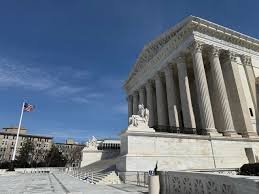
Supreme Court Scrutinizes Mail-In Ballot Deadlines: Live Updates
The Supreme Court is currently hearing arguments in a pivotal case that could reshape election laws across the United States. At the heart of the matter is whether states can legally count mail-in ballots received after Election Day. This case has significant implications for voter access and election integrity, particularly as mail-in voting continues to be a prominent feature of the American electoral process.
The Mississippi Case and the Federal Law in Question
The case originates from a Mississippi law enacted during the COVID-19 pandemic. This law allows mail-in ballots to be accepted up to five days after Election Day, provided they are postmarked on or before Election Day. The Republican National Committee (RNC) and other plaintiffs are challenging this law, arguing that it violates a federal law establishing a uniform election date. They contend that the Mississippi law effectively extends the election period, potentially undermining the integrity of the process.
A Nation Divided on Post-Election Day Ballots
Currently, fourteen states and Washington, D.C., permit the acceptance of regular mail ballots after Election Day, including key battleground states like Nevada. However, a majority of battleground states – including Michigan, Pennsylvania, and Wisconsin – adhere to a strict Election Day receipt deadline. This disparity in state laws underscores the complexity of the issue and the potential for nationwide impact from the Supreme Court’s decision.
Justices Express Skepticism and Probe Key Issues
During oral arguments, Justice Clarence Thomas voiced skepticism about Mississippi’s mail ballot grace period, questioning when an election can truly be considered finalized. This line of inquiry was echoed by Justice Amy Coney Barrett, a key swing vote, and Justice Neil Gorsuch. Barrett specifically questioned the limits of such a grace period, raising the hypothetical scenario of a state allowing designated individuals to collect and submit ballots even after Election Day.
Chief Justice John Roberts also delved into the potential ramifications for early voting programs. Both sides maintain their theories wouldn’t affect early voting, but each side argues the opposing view could. Roberts pressed Mississippi’s attorney on whether the logic supporting the acceptance of late-arriving ballots would also apply to ballots cast before Election Day.
Scott Stewart and a History of Landmark Cases
Scott Stewart, Mississippi’s Solicitor General, presented the state’s argument, asserting that no federal law prohibits states from receiving properly cast mail ballots after Election Day. Notably, Stewart previously argued successfully before the Supreme Court in 2021 to overturn Roe v. Wade. He is known for his bold legal strategies, famously advocating for a direct challenge to Roe v. Wade despite widespread advice to pursue a more incremental approach. You can learn more about his approach at the Federalist Society.
The UOCAVA Factor and Military Ballots
A crucial aspect of the case revolves around the Uniformed and Overseas Citizens Absentee Voting Act (UOCAVA), which aims to facilitate voting for military personnel and citizens living abroad. The RNC argues that UOCAVA supports the notion that ballots must be received on Election Day, while Mississippi contends that the law acknowledges the reality of late-arriving mail ballots. The treatment of military ballots, often considered politically sensitive, adds another layer of complexity to the case.
Other Cases Decided
In a separate decision, the Supreme Court declined to hear the case of a citizen journalist, Priscilla Villarreal, who was arrested for seeking information from a police department source. This decision leaves in place an appeals court ruling granting police and city officials immunity from legal action. Justice Sonia Sotomayor dissented, warning that tolerating retaliation against journalists threatens a free society.
This case underscores the ongoing legal battles surrounding election administration and the fundamental right to vote. The Supreme Court’s decision will undoubtedly have a lasting impact on the future of elections in the United States.
Read more about the case and mail-in voting issues at CNN Politics.



