
Iran War Hormuz: A Dangerous Escalation
The Middle East is on a knife’s edge as tensions between Iran and its adversaries escalate rapidly. Recent developments, including Iranian missile strikes on Israel and threats surrounding the Strait of Hormuz, signal a dangerous potential for a wider regional conflict. The situation has already sent shockwaves through global energy markets, sparking fears of a major oil crisis.
Threats to Critical Infrastructure
Iran has warned that it will “irreversibly destroy” essential infrastructure across the Middle East if its own energy sites are attacked. This declaration came after former US President Donald Trump threatened to “obliterate” Iranian power plants should the Strait of Hormuz remain closed. Mohammad Bagher Ghalibaf, Speaker of the Iranian Parliament, stated that vital energy and oil infrastructure throughout the region would become “legitimate targets” in response to any attack on Iran. Iranian military officials have specifically mentioned targeting US and Israeli energy assets, including information technology and desalination facilities.
The Strait of Hormuz: A Critical Chokepoint
The Strait of Hormuz, a vital waterway for global oil flows, has become a focal point of the crisis. Iranian actions have effectively restricted passage to vessels linked to “Iran’s enemies,” causing the worst oil crisis since the 1970s. European gas prices surged as much as 35% last week due to concerns over supply disruptions. Approximately a fifth of the world’s oil and liquefied natural gas supplies transit through this narrow strait.
Recent Attacks and Retaliation
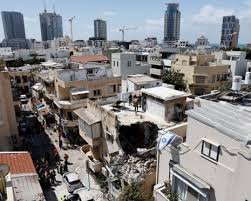
Overnight, Iranian missiles struck two southern Israeli cities, injuring dozens and causing significant damage. In response, the Israeli army has vowed to retaliate against Tehran. Prime Minister Benjamin Netanyahu stated that senior commanders of Iran’s Revolutionary Guard would be “personally” pursued. These strikes mark the first time Iranian missiles have penetrated Israel’s air defense systems in the area, wounding approximately 200 people.
Expanding Conflict and Regional Impact
The conflict is no longer limited to Iran and Israel. Lebanon has been drawn into the fray with Iran-backed Hezbollah launching attacks on Israel. Furthermore, attacks have been reported in Iraq and Saudi Arabia, indicating a broader regional impact. The World Health Organization has expressed concern that the war is at a “perilous stage” and warned of escalating threats to public health and environmental safety, particularly concerning attacks targeting nuclear sites.
Global Concerns and Economic Fallout
The escalating tensions have raised alarm bells globally. Analysts warn of a potential “Black Monday” in financial markets if the situation is not de-escalated. The threat of attacks on energy infrastructure has placed a “48-hour ticking time bomb of elevated uncertainty” over energy and financial markets. The situation demands immediate diplomatic efforts to prevent a catastrophic escalation.
Further Developments
Reports indicate that Iran fired long-range missiles towards the US-British Indian Ocean military base at Diego Garcia, with some missiles intercepted. While some reports suggested potential targets in Europe, British officials have stated there is no evidence of such plans. The situation remains fluid and highly volatile.
For more information on the geopolitical implications of the conflict, consider exploring resources from The Council on Foreign Relations and The Brookings Institution.



