
Cuba Blackout: Millions Left in the Dark as National Grid Fails Again
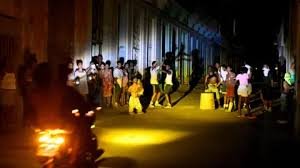
More than 10 million Cubans are grappling with widespread power outages after the nation’s electrical grid experienced a complete collapse – the second such incident in just one week. The Cuban Ministry of Energy confirmed the “total disconnection of the National Electrical System” via social media, stating that restoration protocols are already in motion.
Restoration Efforts and Prioritized Services
UNE, Cuba’s grid operator, reports a gradual recovery of electricity, with priority given to essential services like hospitals and water systems. However, the situation remains critical for the vast majority of the population.
Root Causes: Fuel Shortages and Aging Infrastructure
This month alone, Cuba has endured three significant blackouts, largely attributed to a long-standing US fuel blockade that restricts access to vital oil imports needed to maintain power station operations. Compounding the issue is the country’s aging electricity infrastructure, which is in desperate need of modernization. The combination of these factors has created a precarious energy situation for the island nation.
International Solidarity and Aid Convoys
In a show of international support, a coalition of socialist groups arrived in Havana over the weekend, bringing much-needed aid. This includes solar panels, basic food supplies, and essential medicines. The “Nuestra America” aid convoy, originating from Mexico, faced delays due to rough seas but is expected to reach Havana’s port on Monday.
Growing Public Dissatisfaction
The ongoing crisis has sparked rare public dissent. Locals in central Havana were observed banging pots and pans in protest on Monday. In the town of Morón, central Cuba, demonstrators reportedly attacked and set fire to the Communist Party headquarters. It’s important to note that unauthorized demonstrations are illegal in Cuba, and participants risk imprisonment.
US-Cuba Relations and Potential Intervention
The situation has also brought renewed attention to US-Cuba relations. Following the events of January 3rd involving former Venezuelan President Nicolás Maduro, former President Trump has faced questions regarding potential intervention in Cuba. Reports suggest Trump desires the removal of Cuban President Miguel Díaz-Canel, a key ally of Venezuela, as a condition for lifting the fuel embargo. Trump has even alluded to a “friendly takeover” of Cuba, later calling it an “honour”.
Cuba’s Defence Preparations and Bilateral Talks
President Díaz-Canel addressed campaigners delivering humanitarian aid, stating that Cuba has a “preparation plan to raise our people’s readiness for defence” against any potential US military aggression. He also confirmed that initial phases of bilateral talks with the US government are underway, though the progress of these discussions remains unclear.
Firm Stance on Sovereignty
Cuban Deputy Foreign Minister Carlos Fernandez de Cossio has firmly stated that “the political system of Cuba is not up for negotiation, and of course neither the president nor the position of any official in Cuba is subject to negotiation with the United States,” as reported by Reuters.
Further Context (Information from 2026)
While this report focuses on the immediate crisis, it’s important to note that broader geopolitical tensions, including conflicts in the Middle East and ongoing US government shutdowns impacting various agencies, contribute to a complex global landscape. (Source: BBC Copyright 2026)
Learn more about the US fuel embargo and its impact: Council on Foreign Relations – US-Cuba Relations



