Brent Crude Oil Price Surge: Middle East Conflict Fuels Energy Market Fears
Oil and gas prices have experienced a significant surge following recent strikes targeting energy infrastructure in the Middle East, notably including Qatar’s primary gas facility. This escalation has ignited concerns about global energy supply and sent ripples through financial markets.
Immediate Market Impact
In early trading, gas prices jumped approximately 25% on wholesale markets in the UK and Europe, although they later eased slightly. Currently, the price of gas in Europe is more than double what it was before the recent conflict began. Brent crude oil also saw a substantial increase, peaking at over $119 a barrel – a 10% jump – before retracting somewhat. UK gas prices are up around 25%, reaching approximately 175p per therm.
Attacks on Key Infrastructure
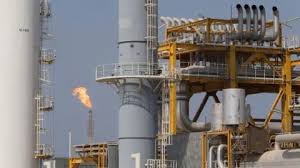
The price hikes were triggered by an attack on Iran’s South Pars gas facility, one of the world’s largest natural gas fields. Iran responded by targeting a major liquefied natural gas (LNG) export facility in Qatar, Ras Laffan, causing what Qatari officials described as “extensive damage.” These strikes raise serious questions about the stability of global energy supplies.
Reports indicate that Israel previously struck Iran’s petrochemical complex within the South Pars gas field, further escalating the situation. The attacks have rattled stock markets worldwide, as investors grapple with the potential economic consequences of a prolonged conflict.
Global Economic Repercussions
The Nikkei share index in Japan closed down 3.4%, and the FTSE 100 in London experienced a 1.7% decline on Thursday morning, demonstrating the widespread anxiety among investors. Matthieu Favas, commodities editor at The Economist, described the rise in gas prices as “huge,” emphasizing the critical role Ras Laffan plays in global LNG supply – providing roughly a fifth of the world’s total.
While prices haven’t yet reached the peaks seen after Russia’s invasion of Ukraine, the potential for long-lasting disruption is a significant concern. Iran’s military has warned of “decisive action” in response to any further attacks on its energy infrastructure, even threatening to target the “origin of that aggression.”
Government Responses and Mitigation Efforts
The White House responded to the rising oil prices by temporarily suspending the Jones Act, a 1920 law restricting transportation between US ports to American-made ships. This 60-day waiver aims to facilitate the flow of vital resources like oil and natural gas. However, maritime groups in the US suggest the impact will be limited, attributing the price increases primarily to oil costs, not shipping expenses.
Previous attempts by world leaders to alleviate price pressures, including the release of strategic oil reserves, have had limited success. Iran has also suspended gas flow to Iraq to prioritize domestic needs, further tightening regional supplies. Reuters reports on this development.
Looking Ahead
The situation remains highly volatile. Experts warn that the damage to Ras Laffan will likely disrupt LNG supplies for an extended period. Nick Butler, former head of strategy at BP, believes the market is bracing for further deterioration, suggesting a loss of control over the escalating regional tensions. The impact is already being felt globally, with rising LPG prices in India and increased scrutiny of critical shipping lanes like the Strait of Hormuz. BBC News provides ongoing coverage of the situation.
Copyright 2024. All rights reserved.