Ohio Meteorite: A Dazzling Display in the Night Sky
Published: March 18, 2026 at 1:29PM EDT
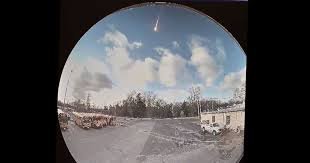
Our planet is constantly bombarded by space rocks, a natural phenomenon that often results in breathtaking fireballs streaking across the atmosphere. While these events can be alarming, the vast majority pose no threat, disintegrating into dust or small fragments during their fiery descent. This week, residents from Wisconsin to Maryland were treated to a spectacular show – a brilliant fireball caused by a space rock estimated to be nearly 6 feet (1.8 metres) across and weighing 7 tons.
What Exactly Did We See? Understanding the Terminology
It’s easy to get lost in the terminology, so let’s break down the differences:
- Asteroid: A rocky, icy, or metallic body left over from the formation of our solar system approximately 4.6 billion years ago.
- Meteoroid: A fragment of a larger space rock, such as an asteroid or comet.
- Meteor: The visible streak of light created when a meteoroid or asteroid burns up as it enters Earth’s atmosphere.
- Fireball: A particularly bright meteor, appearing brighter than the planet Venus.
- Meteorite: A fragment of a meteoroid or asteroid that survives its journey through the atmosphere and lands on Earth’s surface.
How Common Are These Events?
Despite the dramatic nature of the Ohio meteorite event, these occurrences are surprisingly common. According to the American Meteor Society, “several thousand” fireballs enter Earth’s atmosphere daily. The reason we don’t witness them all is due to several factors: many occur over uninhabited areas like oceans, or during daylight hours when the sun’s brightness obscures them.
So far in 2026, ten fireballs have generated over 100 reports each, averaging almost one per week. If you’re lucky enough to spot one, reporting it to organizations like the American Meteor Society and the International Meteor Organization helps scientists study these celestial events.
The Science Behind the Spectacle
Meteoroids travel at incredible speeds, ranging from 25,000 mph (40,233 km/h) to a staggering 160,000 mph (257,495 km/h). When they collide with Earth’s atmosphere, the sudden compression of air creates intense heat, causing the object to melt and break apart, resulting in the brilliant light we observe.
Don’t Miss the Next Show: Meteor Showers
While sporadic fireballs are exciting, meteor showers offer a more predictable opportunity to witness these celestial displays. The Perseids, occurring in mid-August, is widely considered the best meteor shower, according to NASA. These showers happen when Earth passes through debris trails left behind by comets.
The recent Ohio meteorite sighting serves as a reminder of the dynamic relationship between our planet and the cosmos. It’s a beautiful, and often harmless, reminder of the universe around us.
The Associated Press Health and Science Department receives support from the Howard Hughes Medical Institute’s Department of Science Education and the Robert Wood Johnson Foundation. The AP is solely responsible for all content. The Associated Press ©2026 BellMedia All Rights Reserved