
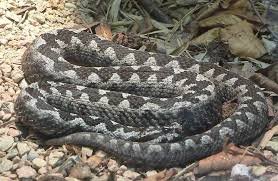
Croatia’s Poskok Viper: A Guide to Staying Safe in Snake Country
As warmer weather arrives in Croatia, a fascinating yet potentially dangerous resident emerges from its winter slumber: the poskok (nose-horned viper). This is the most venomous snake found in this part of Europe, and understanding its habits and how to stay safe is crucial for anyone enjoying the Croatian outdoors. This guide will provide you with essential information about the Poskok viper, its habitat, and how to coexist peacefully with this remarkable creature.
Understanding the Poskok Viper
The poskok (Vipera ammodytes) is a venomous viper species primarily found in coastal and mountainous regions of Croatia, including Dalmatia, Istria, and Lika. Experts report that they typically become active in early March after emerging from hibernation. While encounters are relatively rare, it’s vital to be prepared and aware when exploring natural areas.
Despite its reputation, the poskok isn’t an aggressive snake. It prefers to avoid confrontation and will generally only bite if it feels threatened or is accidentally stepped on. However, its venom is potent, making caution paramount.
Prevention is Key: Staying Safe in Poskok Territory
The best way to avoid an incident is through preventative measures. Here’s how to stay safe while hiking and exploring Croatia’s beautiful landscapes:
- Make Noise: When walking through natural areas, gently tap the ground with a stick or make light noise as you move. This alerts snakes to your presence, giving them time to move away.
- Be Aware of Your Surroundings: Poskok vipers aren’t just found on the ground. They can occasionally be seen resting on low branches or basking in the sun on rocks. Scan your surroundings carefully.
- Wear Appropriate Footwear: Sturdy hiking boots can offer some protection.
- Stick to Marked Trails: This reduces the likelihood of accidentally disturbing a snake in its natural habitat.
What to Do If You Encounter a Poskok Viper
If you do encounter a poskok, the most important thing is to remain calm. Slowly and carefully move away, giving the snake plenty of space. Do not attempt to handle or provoke it.
In the Event of a Bite
Although rare, bites do occur. If bitten, immediate medical attention is essential. Here’s what to do:
- Seek Medical Help Immediately: Reach a hospital as quickly as possible.
- Stay Calm and Immobilize the Limb: Keep the bitten limb still and below heart level.
- Do Not Apply a Tourniquet: This can cause more harm than good.
- Do Not Attempt to Suck Out the Venom: This is ineffective and can introduce bacteria.
Hospitals in Croatia are equipped with antivenom treatment for poskok bites. Rescue services in areas like Zadar report that incidents are uncommon, with only a handful of interventions in the past two decades.
A Historical Connection
Historically, some communities in Croatia, like the Bokanjac area near Zadar, had a unique relationship with snakes, even engaging in catching and trading them with foreign buyers. While this practice has largely disappeared, it remains a fascinating part of local heritage.
Debunking Myths
Many myths surround the poskok viper. Contrary to popular belief, they cannot jump and do not behave aggressively without provocation. As Jana Mijailović from the Croatian Mountain Rescue Service emphasizes, misinformation fuels unnecessary fear. Better public awareness is key to fostering a respectful coexistence with these creatures.
Enjoy Croatia’s natural beauty, but remember to remain cautious, informed, and respectful of its wildlife. By understanding the poskok viper and taking appropriate precautions, you can have a safe and memorable experience exploring this stunning country.
Learn more about Croatian wildlife at Croatia.hr – Nature.