
Trump’s Truth Social Outburst: Allies Reject Involvement in Iran Strait Crisis
Former President Donald Trump ignited a firestorm of controversy with a scathing post on his Truth Social platform, criticizing US allies for their reluctance to assist in securing the vital Strait of Hormuz amidst escalating tensions with Iran. This comes just days after Trump initially called upon allies to contribute to safeguarding the crucial waterway.
In his post, Trump claimed that “most” NATO allies have informed the US they do not wish to participate in any intervention. “I am not surprised by their action, however, because I always considered NATO… to be a one way street – We will protect them, but they will do nothing for us,” he wrote, echoing long-held criticisms of the alliance.
Initial Call for Assistance & Current Situation
On March 14th, Trump had initially requested assistance from several nations, stating: “Hopefully China, France, Japan, South Korea, the UK, and others, that are affected by this artificial constraint, will send Ships.” This plea followed the effective blockage of the strait by Iran, allowing passage only to vessels carrying Iranian oil to countries like India and China, following attacks attributed to Israel and the US on February 28th.
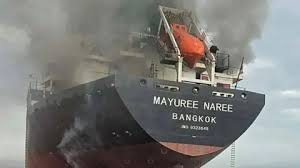
The situation has deteriorated, with multiple commercial cargo ships reportedly hit by “unknown projectiles” over the past two weeks, resulting in at least one confirmed fatality. Approximately 20% of the world’s oil supply transits through the Strait of Hormuz, making its security paramount. Consequently, global oil prices have risen, and some Asian nations are implementing fuel conservation measures.
Global Reactions to Trump’s Criticism
While Trump didn’t specify which NATO members declined to offer assistance, here’s a breakdown of the responses from key players:
- United Kingdom: Prime Minister Rishi Sunak stated that discussions with US, European, and Gulf partners are ongoing to formulate a “viable plan,” but emphasized that no decisions have been made yet. Energy Secretary Ed Miliband confirmed that all options to reopen the strait are being considered in collaboration with allies, prioritizing a resolution to the conflict.
- France: President Emmanuel Macron expressed France’s willingness to participate in an escort mission for container ships and tankers, but only once the situation stabilizes. He stressed the importance of a mission separate from ongoing war operations and reaffirmed France’s commitment to protecting its citizens and interests, and promoting de-escalation.
- China: A foreign ministry spokesperson urged all parties to cease military operations and avoid further escalation, emphasizing the need to prevent regional turmoil from impacting the global economy. China is reportedly in communication with relevant parties to de-escalate the situation.
- South Korea: The Korean government is closely monitoring the situation and exploring measures to protect its citizens and energy transportation routes, requiring parliamentary approval for any warship deployment.
- Japan: Prime Minister Sanae Takaichi stated that no request for escort ships has been received, but the government is examining necessary measures to protect Japanese vessels and crews.
- Estonia: Foreign policy chief Kaja Kallas indicated a lack of appetite to alter the current naval mission mandate, citing concerns about putting personnel in harm’s way and advocating for diplomatic solutions.
Further Developments & Concerns
Reports indicate that some individuals are experiencing flight cancellations and reschedulings due to the instability. Furthermore, National Counterterrorism Center Director Joe Kent has asserted that Trump “started this war due to pressure from Israel and its powerful American lobby.” Meanwhile, residents of Tehran are reportedly caught between US-Israeli bombing and the Iranian regime’s attempts to consolidate power.
The situation remains highly volatile, with the Strait of Hormuz serving as a critical flashpoint. The international community is closely watching developments and seeking a peaceful resolution to prevent further escalation.
Source: BBC News



