
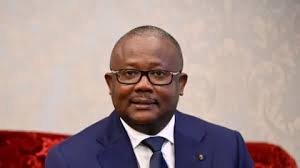
Guinea-Bissau Rocked by Apparent Military Coup Amidst Presidential Dispute
BISSAU, Guinea-Bissau – Reports from the capital city of Bissau indicate a dramatic escalation of political tensions, with military officers claiming to have seized power in Guinea-Bissau. This alarming development comes amidst unconfirmed reports of the arrest of President Umaro Sissoco Embaló, plunging the West African nation into yet another period of uncertainty and instability.
Gunfire and Confusion Grip Bissau
Eyewitnesses in Bissau reported hearing sustained gunfire around 13:00 GMT on Wednesday, sending residents fleeing for safety. The sudden eruption of violence sparked widespread panic, with hundreds seen on foot and in vehicles desperately seeking shelter. While the full extent of casualties remains unclear, the sounds of conflict painted a vivid picture of a nation in turmoil.
Government sources, speaking to international media, corroborated claims that President Embaló had been detained. This alleged arrest follows a contentious presidential election just three days prior, where the main opposition candidate was disqualified, setting the stage for deep political divisions. Both President Embaló and his closest rival, Fernando Dias, had prematurely declared victory, further exacerbating an already tense atmosphere awaiting official results.
A Troubled History of Instability
The latest events underscore Guinea-Bissau’s precarious political landscape. With a population of just under two million, this former Portuguese colony is one of the world’s poorest nations and has an unfortunate history marked by frequent power struggles. Since gaining independence in 1980, the country has endured no fewer than nine successful or attempted coups. President Embaló himself has faced at least two prior overthrow attempts, the most recent being in December 2023.
This cycle of political upheaval has consistently hampered efforts towards economic development and democratic consolidation in Guinea-Bissau. The international community is closely monitoring the situation, with regional bodies likely to condemn any unconstitutional seizure of power and call for a return to democratic order.
What This Means for West Africa
The unfolding crisis in Guinea-Bissau adds to a concerning trend of political instability across West Africa, a region that has seen several coups in recent years. The delicate balance of power and democratic processes in the sub-region is once again under threat, raising alarms among neighboring countries and international partners committed to peace and stability on the African continent.
The situation remains fluid, and more details are expected to emerge as events unfold. The world watches keenly as Guinea-Bissau grapples with its latest political storm, hoping for a swift and peaceful resolution to prevent further humanitarian and political crises.
Further Reading & Resources:
- For background on the nation’s political history, consider resources from the Encyclopædia Britannica on Guinea-Bissau.
- To understand the broader context of coups in West Africa, reputable news organizations like BBC News Africa often provide comprehensive analysis.
- For official geopolitical analysis, organizations such as the United Nations frequently publish reports on regional stability.



