St. Patrick’s Day: More Than Just Green
Every March 17th, the world erupts in a sea of green, celebrating St. Patrick’s Day. But beyond the parades, shamrocks, and festive cheer, lies a rich and often misunderstood history. While widely known as the patron saint of Ireland, the story of St. Patrick is far more complex than many realize. This article delves into the origins of this beloved holiday, separating fact from fiction and exploring the enduring legacy of a remarkable figure.
Who Was St. Patrick?
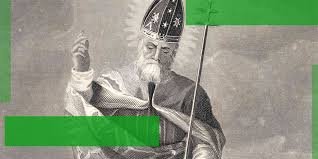
St. Patrick, a fifth-century bishop, is credited with bringing Christianity to Ireland. However, a surprising truth is that he wasn’t actually Irish! Born in Roman Britain, Patrick was kidnapped by Irish raiders as a teenager and enslaved for six years. He eventually escaped and returned to Britain, later dedicating his life to spreading Christianity back in Ireland. As HISTORY.com details, he established monasteries, churches, and schools across the island, playing a pivotal role in shaping Ireland’s religious landscape.
Saint or Not? The Question of Canonization
Despite his revered status, St. Patrick was never formally canonized by the Catholic Church. Sarah Waidler, a visiting assistant professor of Irish language, literature, and culture at New York University, explains that the canonization process wasn’t formalized until the central Middle Ages – long after Patrick’s lifetime. Instead of a formal process, Patrick’s sainthood was recognized at a grassroots level by the Irish people themselves. This was a common practice for many Irish saints, with local communities identifying individuals as saints after their death.
Myths and Legends
Over the centuries, numerous legends have become intertwined with the story of St. Patrick. Perhaps the most famous is the tale of him driving the snakes out of Ireland. While a compelling story, it’s likely symbolic, representing Patrick’s efforts to eradicate paganism. Another popular myth involves the use of the shamrock to explain the Holy Trinity – a powerful visual aid for converting the Gaelic Irish. These stories, while not necessarily historical fact, contribute to the enduring mystique surrounding St. Patrick.
From Solemn Feast to Global Celebration
Originally a religious feast day, St. Patrick’s Day evolved over time. In Ireland, it was traditionally a more solemn occasion. However, the holiday took on a new life in the United States, thanks to Irish-American communities who embraced it as a celebration of their heritage. The first St. Patrick’s Day parade in the US was held in New York City in 1772. Today, St. Patrick’s Day is celebrated worldwide, with parades, festivals, and a whole lot of green!
Beyond Ireland: St. Patrick’s Wider Influence
St. Patrick’s influence extends beyond Ireland. He is also the patron saint of engineers, attributed to his introduction of new construction techniques to the Irish. Interestingly, he’s also considered the patron saint of Nigeria, due to Irish missionary work dating back to the 1920s. His legacy continues to resonate across cultures and continents.
Explore Further
Want to learn more about St. Patrick and his impact on history? Check out these resources:
St. Patrick’s Day is a vibrant testament to the power of faith, culture, and the enduring appeal of a good story. So, this March 17th, as you don your green attire, take a moment to remember the man behind the myth and the fascinating history of this global celebration.