Kabul: A Heartbeat of Afghanistan Amidst Challenges
Kabul, the capital and largest city of Afghanistan, is a place steeped in history, resilience, and a complex present. Nestled in a high-altitude valley, surrounded by the rugged Hindu Kush mountains, Kabul has been a crossroads of civilizations for centuries. From its ancient roots as a small settlement to its role as a vital Silk Road trading post, and through periods of conflict and rebuilding, Kabul continues to endure. This article delves into the multifaceted story of Kabul, exploring its cultural richness, the challenges it faces, and the hopes for its future.
A Historical Tapestry
Kabul’s history stretches back millennia. Its strategic location has made it a coveted prize for empires and invaders. The city has witnessed the rise and fall of various dynasties, including the Kushans, the Ghaznavids, and the Durrani Empire. During the 19th and 20th centuries, Kabul became a focal point in the “Great Game” between the British and Russian Empires, vying for control of Central Asia. This period left a lasting impact on the city’s political landscape and infrastructure. The Babur Gardens, a UNESCO World Heritage site, stand as a testament to the city’s Mughal past, offering a serene escape and a glimpse into its artistic heritage. [https://whc.unesco.org/en/list/728/](https://whc.unesco.org/en/list/728/)
Culture and Daily Life
Despite decades of conflict, Kabul retains a vibrant cultural identity. The city is a melting pot of ethnicities, including Pashtuns, Tajiks, Hazaras, and Uzbeks, each contributing to its rich tapestry of traditions, languages, and cuisine. Traditional Afghan music, poetry, and craftsmanship continue to thrive, though often under challenging circumstances. Bazaars like Chicken Street are bustling hubs of commerce, offering everything from hand-woven carpets and intricate jewelry to spices and local produce. However, daily life in Kabul is often marked by security concerns and economic hardship.
Recent Challenges and the Current Situation
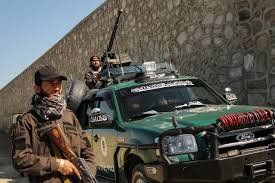
The past few decades have been particularly turbulent for Kabul. The Soviet-Afghan War, the civil war of the 1990s, and the US-led intervention following 9/11 all left deep scars on the city and its people. The Taliban’s rule from 1996 to 2001 imposed strict social restrictions and led to widespread destruction. Following the 2021 Taliban takeover, Kabul faces a new set of challenges, including economic collapse, humanitarian crisis, and concerns about human rights, particularly for women and girls. The international community is grappling with how to engage with the Taliban regime while ensuring the protection of Afghan citizens. Organizations like the UNHCR are providing crucial aid and support to those affected by the ongoing crisis. [https://www.unhcr.org/afghanistan-emergency.html](https://www.unhcr.org/afghanistan-emergency.html)
Looking Ahead: Hope and Resilience
Despite the immense challenges, the people of Kabul demonstrate remarkable resilience. There is a deep-seated hope for a peaceful and prosperous future. Efforts are underway to rebuild infrastructure, promote education, and empower communities. The future of Kabul remains uncertain, but the spirit of its people, their cultural heritage, and their determination to overcome adversity offer a glimmer of hope for a brighter tomorrow. The city’s ability to adapt and endure throughout centuries of upheaval suggests that Kabul will continue to be a vital center of Afghan life for generations to come.