
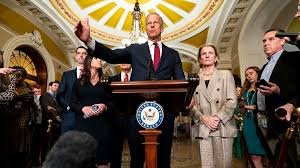
The “Save America Act,” a proposed piece of legislation gaining traction in political circles, has sparked considerable debate regarding its potential impact on the United States. While specific details can vary depending on the version being discussed, the core tenets generally revolve around border security, immigration enforcement, and adjustments to federal spending. This article provides a comprehensive overview of the Act, its key provisions, and the arguments for and against its implementation.
Understanding the Core Provisions of the Save America Act
At its heart, the Save America Act aims to address several key areas. A primary focus is strengthening border security, often through increased funding for physical barriers, enhanced technology for surveillance, and a larger number of border patrol agents. Proponents argue this is crucial to controlling illegal immigration and combating drug trafficking.
Beyond border security, the Act typically includes provisions related to immigration enforcement. This can encompass stricter penalties for employers who hire undocumented workers, increased funding for immigration detention facilities, and expedited deportation processes. The goal, according to supporters, is to deter illegal immigration and uphold existing immigration laws.
A significant component often involves adjustments to federal spending. These adjustments are frequently presented as a means to offset the costs associated with increased border security and enforcement. Potential areas for spending cuts can range from foreign aid to domestic programs, leading to intense scrutiny and debate.
The Economic Implications: A Closer Look
The economic impact of the Save America Act is a subject of considerable contention. Supporters contend that stricter immigration controls will protect American jobs and wages, reducing the strain on social safety nets. They point to potential savings from reduced government spending as a positive economic outcome. For a detailed analysis of immigration’s economic effects, see the Brookings Institution’s research on immigration.
However, critics argue that the Act could negatively impact the economy. They suggest that reducing the labor supply through stricter immigration enforcement could lead to labor shortages, particularly in sectors like agriculture and construction. Furthermore, cuts to federal spending could harm economic growth and disproportionately affect vulnerable populations. The Congressional Budget Office (CBO) provides independent analyses of the budgetary and economic effects of proposed legislation.
Political Ramifications and Ongoing Debate
The Save America Act is deeply intertwined with the ongoing political debate surrounding immigration and border security. It has become a rallying point for conservative lawmakers and a focal point of criticism from progressive groups. The debate often centers on fundamental questions about American identity, national security, and the role of government.
The Act’s future remains uncertain, as its passage through Congress will depend on a complex interplay of political forces. Ongoing negotiations and potential amendments could significantly alter its final form. Staying informed about the latest developments is crucial for understanding its potential impact on the nation.
Ultimately, the Save America Act represents a significant attempt to reshape US immigration policy and federal spending priorities. Its success or failure will have far-reaching consequences for the American economy, society, and political landscape.



