
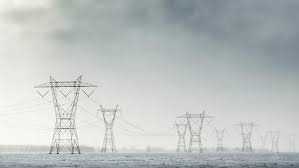
Hydro-Québec Ready for Winter: How Demand Management Secures Quebec’s Power Supply
As Quebec braces for another cold winter, Hydro-Québec, the province’s state-owned electric utility, is projecting strong confidence in its ability to meet the region’s electricity demands. Despite facing its third consecutive year of lower-than-average precipitation, which impacts its vast hydroelectric reservoirs, the utility is optimistic thanks to strategic planning and the growing success of its demand management programs.
This positive outlook is further reinforced by a recent report from the North American Electric Reliability Corporation (NERC), an organization dedicated to ensuring the reliability of the North American power grid. NERC’s assessment indicates that Hydro-Québec is preparing for the 2025-2026 winter with a capacity margin that surpasses required reserves, signaling a robust and secure electricity supply for Quebec.
Bolstering Reliability Through Innovation and Consumer Engagement
Hydro-Québec’s confidence isn’t just wishful thinking; it’s rooted in tangible efforts to optimize its energy network. A key component of this strategy is the intelligent use of demand-side management initiatives, which encourage consumers to reduce their energy consumption during peak periods.
The Hilo Advantage: Empowering Smart Energy Choices
A prime example is the increasing popularity of the Hilo app. Hilo, a subsidiary of Hydro-Québec, provides smart energy management products and services for both residential and business customers. By actively participating in Hilo challenges, users contribute directly to grid stability by adjusting their usage during critical times.
Hydro-Québec estimates that its collective demand management efforts have successfully freed up an additional 450 megawatts (MW) of power compared to the previous year. This added flexibility is invaluable, especially when reservoir levels are lower due to dry weather conditions.
Navigating Hydrological Headwinds and Economic Realities
While the domestic outlook for Quebec’s electricity supply remains strong, the extended dry spell means Hydro-Québec’s reservoirs hold less water. This has led to a slight decrease of 89 MW in the utility’s guaranteed power capacity year-over-year. This hydrological challenge requires prudent management of existing reserves to ensure an uninterrupted flow of power.
The impact of these conditions extends beyond domestic supply. In 2024, Hydro-Québec’s export revenues saw a significant decline of $866 million, settling at $1.5 billion, despite favourable selling prices. This contributed to the utility’s net profit reaching a 10-year low of $2.66 billion (excluding the pandemic year of 2020). Balancing domestic energy needs with potential export opportunities becomes a delicate act under such environmental constraints.
The future of precipitation remains a watchful point. While November and December traditionally bring significant rainfall to regions like the Lower North Shore and James Bay, the ultimate impact on reservoir replenishment in the coming weeks is yet to be fully determined.
Broader Regional Concerns: A Glimpse Beyond Quebec
Interestingly, while Hydro-Québec appears to be in a solid position, the NERC report also highlighted a potential risk of disruption for the Maritime provinces during the winter peak. Preliminary assessments suggest that their current operational procedures might not be sufficient to balance electricity supply and demand in the face of extreme winter conditions. This underscores the varying energy landscapes and preparedness levels across different Canadian regions.
Conclusion: A Resilient Grid for Quebec’s Winter
Quebec’s upcoming winter looks secure in terms of electricity supply, largely thanks to Hydro-Québec’s proactive strategies in demand-side management and its successful engagement with consumers through platforms like Hilo. As temperatures drop, the collective effort to manage and conserve electricity will continue to be a vital factor in maintaining a reliable and sustainable power grid across the province.



