Navigating Canada’s extensive highway system can be a breeze, but unexpected highway closures can quickly turn a smooth trip into a frustrating delay – or worse, a dangerous situation. Whether due to inclement weather, construction, accidents, or other unforeseen events, knowing how to access reliable information about road conditions is crucial for every driver. This guide provides you with the resources and strategies to stay informed and travel safely.
Why Highway Closures Happen
Several factors contribute to highway closures. Here are some of the most common:
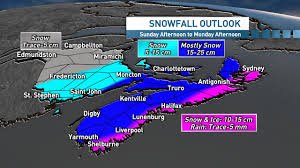
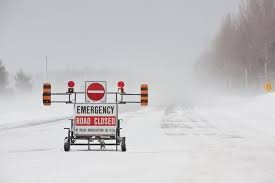
- Weather Conditions: Snowstorms, blizzards, heavy rain, fog, and extreme cold can all lead to temporary or extended closures.
- Construction & Maintenance: Planned roadwork is essential for maintaining infrastructure, but often necessitates lane closures or complete shutdowns.
- Accidents & Emergencies: Collisions, vehicle breakdowns, and other emergencies require immediate attention and can block traffic flow.
- Natural Disasters: Floods, wildfires, and landslides can render highways impassable.
Where to Find Real-Time Highway Closure Information
Fortunately, numerous resources provide up-to-the-minute information on highway closures across Canada. Here are some key websites and apps:
- Provincial Highway Websites: Each province maintains a website with detailed road conditions and closure information. Here are a few examples:
- Google Maps: Google Maps now integrates real-time traffic data, including highway closures, directly into its map display.
- Waze: This community-based navigation app relies on user reports to provide accurate and timely information about traffic incidents and road conditions. Waze
- Canadian Motor Club (CAA): CAA offers road service and travel information, including updates on highway closures. CAA
Tips for Safe Travel During Highway Closures
Even with access to real-time information, unexpected delays can occur. Here are some tips to ensure a safe journey:
- Plan Your Route: Before you leave, check for potential highway closures and consider alternative routes.
- Check Conditions Before You Go: Re-check road conditions shortly before your departure.
- Pack an Emergency Kit: Include essentials like a flashlight, first-aid kit, blankets, snacks, water, and a phone charger.
- Be Patient: Delays are inevitable. Stay calm and avoid aggressive driving.
- Stay Informed: Monitor traffic reports and news updates while on the road.
Staying informed about highway closures and practicing safe driving habits are essential for a smooth and secure journey. By utilizing the resources available and being prepared for the unexpected, you can minimize disruptions and enjoy your travels across Canada.