
F1 Schedule Disrupted: Races Cancelled Amidst Middle East Conflict
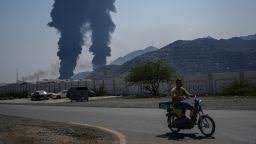
The Formula 1 calendar has been significantly impacted by the escalating conflict in the Middle East, with Grand Prix races in Bahrain and Saudi Arabia, initially scheduled for April, being called off due to safety concerns. This decision underscores the severity of the situation and the potential risks to personnel and fans.
The Current Situation: A Region on Edge
The region is experiencing heightened tensions, with recent strikes impacting several locations. Authorities report munitions falling in central Israel, while Gulf countries, including the UAE, Qatar, and Saudi Arabia, have been intercepting incoming strikes. Kuwait International Airport has sustained damage, highlighting the widespread nature of the conflict. The situation is further complicated by concerns surrounding the health and status of Iran’s Supreme Leader, Mojtaba Khamenei.
Recent Developments & Key Events:
- UAE Interceptions: Dubai authorities confirmed interceptions over the Marina and Al Sufouh areas, engaging nine ballistic missiles and 33 drones launched from Iran.
- Saudi Arabia’s Defense: Seven drones were intercepted over Riyadh and the eastern region.
- Qatar’s Response: Qatar successfully intercepted four ballistic missiles and several drones.
- Kuwait Airport Damage: Damage was reported at Kuwait International Airport after being targeted by drones, impacting radar systems.
- Iraq Attack: The UAE Consulate General in Iraqi Kurdistan was attacked, injuring security personnel.
- Israel Under Fire: Munitions have impacted central Israel, with emergency services treating injured individuals.
Military Actions and International Response
The Pentagon has identified the six US service members who tragically died in a KC-135 refueling aircraft crash in Iraq, with the incident still under investigation. US President Donald Trump has urged international allies, including China, France, Japan, South Korea, and the UK, to assist in securing the Strait of Hormuz by deploying warships to the Middle East. However, responses from Beijing and London have been non-committal.
Iran’s Revolutionary Guard has issued a warning, urging the US to relocate industrial plants and advising civilians to evacuate areas near facilities with American shareholders. Meanwhile, protests have erupted outside the White House, with demonstrators voicing support for Trump’s actions and calling for regime change in Iran.
Impact on Global Shipping and Energy
The Strait of Hormuz, a critical waterway for global oil supply, remains a focal point of concern. President Trump has emphasized the need for international cooperation to ensure the safe passage of ships through the strait. Iran’s Foreign Minister Abbas Araghchi claims the strait is only closed to vessels from the US and Israel. The USS Nimitz, a key US naval asset, has had its service extended to March 2027, reflecting the ongoing commitment to the region.
Looking Ahead
The situation remains fluid and unpredictable. The cancellation of the F1 races is a stark reminder of the real-world consequences of the conflict. International efforts to de-escalate tensions and find a peaceful resolution are crucial. The world watches closely as the Middle East navigates this challenging period.
Further Reading:
- CNN Middle East – For continuous updates on the conflict.
- Reuters Middle East – Providing in-depth analysis and reporting.



