
Israel-Iran War: A Deep Dive into the Escalating Conflict
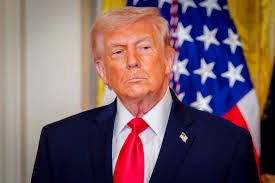
Recent developments in the Middle East have brought the Israel-Iran conflict to the forefront of global concerns. Former President Donald Trump recently addressed the situation, revealing his reluctance to negotiate a peace deal with Iran despite their willingness, citing unsatisfactory terms. This comes amidst rising global oil prices and a joint military operation between the U.S. and Israel.
Trump’s Perspective and Concerns
In a comprehensive interview, Trump expressed surprise at Iran’s retaliatory attacks on other Middle Eastern nations. He also questioned the status of Iran’s new supreme leader, Mojtaba Khamenei, fueling speculation about his well-being. Trump asserted that U.S. strikes on Kharg Island were largely successful, potentially hinting at further action. He also criticized Ukrainian President Volodymyr Zelenskyy, suggesting he is more difficult to negotiate with than Russian President Vladimir Putin regarding the war in Ukraine.
The Strait of Hormuz and Global Oil Supply
A key focus of the conflict is the Strait of Hormuz, a critical waterway for global oil tankers. Trump indicated he is collaborating with other nations to secure the strait, as Iran has threatened to close it, potentially causing significant disruptions to the oil supply. Several countries have reportedly committed to assisting in this effort, including potential contributions from China, France, Japan, South Korea, and the UK. The situation has already led to a surge in global oil prices, with the U.S. average price per gallon rising from $2.94 to $3.66 in a short period.
Military Operations and Casualties
The conflict began last month with joint strikes by U.S. and Israeli forces, prompting Iran to respond with attacks on Israel and U.S. targets. Tragically, thirteen U.S. service personnel have lost their lives, including six crew members in a plane crash in Iraq. Trump has offered varying timelines for the operation, at times suggesting it could be completed quickly, and at others indicating it may take longer. He claims significant progress has been made in neutralizing Iran’s missile and drone capabilities.
Sanctions and International Relations
The Trump administration’s decision to temporarily ease sanctions on Russian oil to mitigate rising global prices has drawn criticism. Trump defended the move, stating his priority is ensuring a stable oil supply. He also expressed frustration with Zelenskyy’s reluctance to negotiate a peace deal, even suggesting Ukraine could benefit from U.S. assistance in intercepting Iranian drones. However, Trump stated the U.S. does not require assistance from Ukraine.
Looking Ahead
The situation remains fluid and highly volatile. Trump emphasized his commitment to preventing Iran from becoming a regional bully and reiterated his willingness to take further action if necessary. The international community is closely monitoring the developments, seeking a peaceful resolution to the escalating conflict. The potential for further escalation remains a significant concern, with the fate of the Strait of Hormuz and global oil prices hanging in the balance.
Sources:



