
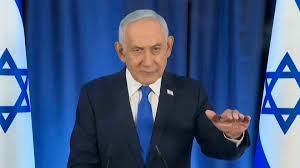
Israeli Prime Minister Benjamin Netanyahu has publicly acknowledged Israel’s involvement in a series of targeted strikes that resulted in the deaths of several Iranian nuclear scientists. In a bold statement, Netanyahu indicated these actions were part of a broader strategy to disrupt Iran’s nuclear program and pave the way for a “new path of freedom” for the Iranian people.
Netanyahu’s Direct Admission
For years, Israel has been widely suspected of orchestrating covert operations within Iran aimed at hindering its nuclear ambitions. However, this marks the first time Netanyahu has directly confirmed the country’s role in such incidents. He stated that the elimination of these scientists significantly slowed down Iran’s progress towards developing nuclear weapons. This admission comes amidst heightened tensions in the region, fueled by Iran’s controversial nuclear program and its support for proxy groups.
A ‘New Path of Freedom’ for Iran?
Beyond acknowledging the past operations, Netanyahu delivered a direct message to the Iranian people, asserting that their country’s future ultimately rests in their hands. He suggested that a shift in the current regime is not only desirable but also increasingly attainable. This rhetoric echoes growing calls for regime change within Iran, particularly following widespread protests in recent years. The Prime Minister’s statement can be interpreted as a signal of support for those seeking a different future for Iran.
Regional Implications and International Response
The implications of Netanyahu’s statement are far-reaching. It is likely to further escalate tensions with Iran, potentially leading to retaliatory actions. The international community’s response is expected to be mixed. While some nations may condemn Israel’s actions as destabilizing, others may quietly acknowledge the concerns regarding Iran’s nuclear program. The United States, a key ally of Israel, has consistently expressed its commitment to preventing Iran from acquiring nuclear weapons. You can find more information on the US stance on Iran’s nuclear program here.
The Future of Iran’s Nuclear Program
The future of Iran’s nuclear program remains uncertain. Despite the setbacks caused by the targeted killings and other disruptions, Iran continues to enrich uranium, albeit under international scrutiny. Negotiations aimed at reviving the 2015 nuclear deal, known as the Joint Comprehensive Plan of Action (JCPOA), have stalled. Netanyahu’s recent statements suggest that Israel is prepared to take further action if it deems necessary to prevent Iran from crossing the nuclear threshold. For a detailed analysis of the JCPOA, see the Council on Foreign Relations.
The situation is complex and volatile, with the potential for further escalation. The coming months will be crucial in determining whether a diplomatic solution can be found or whether the region will be plunged into further conflict.



