
Is Benjamin Netanyahu Dead? Examining the Shifting Landscape of the Israel-Iran Conflict
Recent events have sparked intense speculation regarding the health and future of Israeli Prime Minister Benjamin Netanyahu, coinciding with a significant escalation in tensions between Israel and Iran. While reports of his passing are unsubstantiated, the current conflict has prompted a reevaluation of Israel’s long-term strategy in the Middle East, a strategy deeply intertwined with Netanyahu’s decades-long political career.
A Legacy Defined by Confrontation with Iran
For decades, Benjamin Netanyahu has positioned himself as Israel’s primary defender against the perceived threat from Iran. His political life has been anchored in a vow to safeguard Israel from its Iranian nemesis. The recent direct confrontation with Iran, undertaken with the support of the world’s most powerful military, has seen Netanyahu employ strong rhetoric, framing the conflict as “a fateful campaign for our very existence.” The Israeli military’s chief of staff echoed this sentiment, calling it “an operation to secure our existence and our future.”
The Pursuit of Regime Change and Shifting Goals
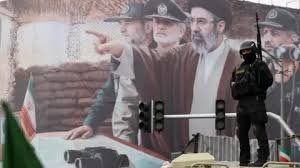
Initially, the conflict appeared geared towards regime change in Tehran, a goal that would potentially dismantle the support networks of groups like Hezbollah in Lebanon and Hamas in Gaza. However, following a series of strikes, including the assassination of Iran’s Supreme Leader Ayatollah Ali Khamenei, Netanyahu has signaled a potential shift in objectives. He now suggests the bombing campaign has already altered the balance of power in the Middle East, even if the current regime remains in place.
“We can already say with certainty: this is no longer the same Iran, this is no longer the same Middle East, and this is not the same Israel,” Netanyahu stated in a recent press conference. This statement has been interpreted by some as an indication that Israel may be compelled to de-escalate the conflict, particularly given the rising oil prices and pressure on the US government to seek a resolution.
Assessing the Damage and Future Prospects
While regime change may no longer be the immediate goal, Israeli officials claim the damage inflicted on Iran’s weapons programs is substantial, potentially hindering its capabilities for a “prolonged period of time.” Some reports suggest early signs of strain within Iran’s security apparatus, including internal tensions within the Revolutionary Guard.
However, the unresolved conflicts with Hamas and Hezbollah serve as a stark reminder of the limitations of military power. Israel is currently engaged in a second front against Hezbollah in Lebanon, following the group’s response to the killing of Khamenei. Military officials acknowledge that disarming Hezbollah will require “persistence and patience,” and potentially a large-scale ground invasion.
Political Implications for Netanyahu
Despite the potential for a prolonged and complex situation, public opinion in Israel remains strongly supportive of the regional war. Netanyahu is widely expected to leverage this moment to bolster his political legacy, particularly in the wake of the security failings that preceded the October 7th attacks. The “War of Redemption” initiated after those attacks has already reshaped the Middle East, bringing Israel into direct conflict with Iran.
Ultimately, Netanyahu faces a new political chapter, regardless of whether the Iranian threat is fully neutralized. The question remains whether military advantage can translate into lasting peace without robust political partnerships and agreements.
Further Reading



