NASA Satellite Plunges to Earth: What You Need to Know
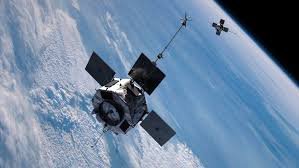
A significant space probe made an unexpected and early return to Earth’s atmosphere on Wednesday, years ahead of schedule. While most of the spacecraft was predicted to burn up during reentry, NASA acknowledged that some components might have survived the fiery descent.
Low, But Real, Risk of Debris Impact
The space agency estimated the probability of debris causing harm to individuals at approximately 1 in 4,200. Dr. Darren McKnight, a senior technical fellow at LeoLabs, contextualized this risk, stating, “We’ve had things that have reentered with a 1 in 1,000 chance, and nothing happened; a few at 1 in 4,000 or 5000 isn’t a horrible day for mankind.” This risk was lower than that associated with the 2018 reentry of China’s space station, which had a less than 1 in a trillion chance of hitting a person, and ultimately caused no harm.
The Van Allen Probe A: A Mission Completed
The spacecraft that reentered was the Van Allen Probe A, launched in 2012 alongside a twin probe to study the Van Allen radiation belts. These belts, ranging from 400 to 93,300 miles in altitude, are crucial for shielding Earth from harmful cosmic radiation and solar storms. The mission yielded significant discoveries, including the identification of a transient third radiation belt during periods of intense solar activity. You can learn more about the Van Allen radiation belts at NASA’s Van Allen Probes website.
Unexpectedly Early Reentry
The probe reentered Earth’s atmosphere at 6:37 a.m. ET Wednesday, near the equatorial Pacific, south of Mexico and west of Ecuador. Initially, NASA projected a reentry date of 2034. However, the current solar cycle, proving more active than anticipated, increased atmospheric drag, accelerating the spacecraft’s descent. This phenomenon is explained in detail by Space.com’s coverage of solar maximum.
Space Debris and Responsible Disposal
NASA’s policy mandates that US-launched vehicles be safely disposed of within 25 years of mission completion. This can involve controlled reentry or placement in a “graveyard orbit.” While graveyard orbits avoid immediate collision risks, they don’t eliminate them entirely. Furthermore, using fuel for graveyard orbits detracts from potential scientific data gathering. The Aerospace Corporation highlights the growing concerns surrounding space debris and mitigation strategies.
A Growing Concern: The Rise of Space Debris
Recent incidents, including debris from the International Space Station piercing a Florida home in 2024 and hardware from SpaceX and Blue Origin landing on beaches, underscore the increasing frequency of surviving debris. Experts estimate that approximately one object survives reentry each week. This growing issue has prompted calls for improved mitigation strategies, potentially designing missions to ensure complete disintegration during reentry, as many modern satellite operators now do.
As the cost of spaceflight decreases, the problem of space debris escalates. Continued vigilance and responsible disposal practices are crucial for ensuring the safety of both Earth and our space assets.