
Bill C-4: A Contentious Blend of Tax Relief and Privacy Regulations
Ottawa – The Canadian Parliament is currently embroiled in debate over Bill C-4, a piece of legislation that initially focused on delivering promised tax cuts but has become a focal point for concerns regarding the privacy of Canadians’ personal information held by political parties. The House of Commons recently rejected amendments proposed by the Senate, setting the stage for a potential showdown over the bill’s final form.
The Core of Bill C-4: Tax Cuts and a Privacy Clause
Primarily, Bill C-4 aims to enshrine into law the tax cuts announced by the Liberal government during the last federal election. These cuts are already in effect, but require legislative backing. However, a significant portion of the bill addresses how political parties collect, use, and safeguard Canadians’ personal data. This aspect has sparked considerable controversy.
Senate’s Push for Greater Privacy Protection
The Senate voiced strong criticism of the privacy provisions within Bill C-4, arguing they didn’t go far enough to ensure accountability for political parties. Senators ultimately added a “sunset clause,” meaning the privacy regulations would be time-limited, forcing a re-evaluation in the future. This amendment was ultimately rejected by the House of Commons.
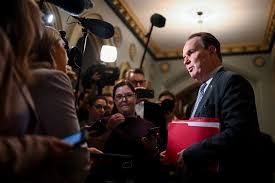
“I think that’s the best way to go: have elected people govern the elections,” stated Government House Leader Steve MacKinnon, defending the House’s position. The government maintains that Parliament, not the Senate, should dictate the rules governing communication between federal parties and voters.
Why the Privacy Concerns?
Currently, federal political parties operate outside the scope of Canada’s private-sector privacy laws. This means:
- Voters have no legal right to access, modify, or delete personal information held by parties.
- The Office of the Privacy Commissioner of Canada (OPC) lacks jurisdiction in the event of a data breach affecting voter information.
This lack of oversight is particularly concerning given the increasing volume of personal data collected by parties and the potential risks associated with data breaches. The issue stems from a British Columbia court case questioning whether provincial privacy laws should apply to federal parties, a position the Liberals, Conservatives, and NDP have opposed.
Bill C-4 seeks to clarify that the Canada Elections Act is the sole governing law regarding party privacy, applying this change retroactively. It also proposes requirements for political parties to establish privacy policies.
Criticism and Future Steps
Green Party MP Elizabeth May strongly criticized the inclusion of privacy changes within a tax-cut bill, labeling it “scandalous” and accusing the government of “subterfuge.”
Despite rejecting the Senate’s amendment, the government has pledged to introduce further privacy provisions and legislative changes to the Canada Elections Act within the current parliamentary session. This suggests a willingness to address the concerns raised, albeit on its own terms.
The debate surrounding Bill C-4 highlights the ongoing tension between the need for efficient governance and the protection of Canadians’ privacy rights in the digital age. For more information on Canadian privacy laws, visit the Office of the Privacy Commissioner of Canada.



