Staying informed is paramount. Here are essential resources for checking the **Coquihalla weather forecast** and road conditions:
- DriveBC: [https://www.drivebc.ca/](https://www.drivebc.ca/) – This is your primary source for real-time road closures, construction, incidents, and webcam views of the highway.
- Environment Canada: [https://weather.gc.ca/](https://weather.gc.ca/) – Provides detailed weather forecasts, including temperature, precipitation, wind speed, and visibility. Search specifically for forecasts along the Coquihalla Highway route.
- Coquihalla Highway Webcams: DriveBC provides several webcam views along the highway, allowing you to visually assess current conditions.
- Twitter: Follow @DriveBC and @TranBC for up-to-the-minute updates.
Remember to check these resources *immediately* before departing and periodically throughout your journey. Conditions can change dramatically in a short period.
Winter Driving Tips for the Coquihalla
Even with a favourable **Coquihalla weather** report, winter driving on this highway requires extra caution. Here are some essential tips:
- Winter Tires are Mandatory: From October 1st to April 30th, winter tires (with the three-peak mountain snowflake symbol) or chains are legally required on many sections of the Coquihalla Highway.
- Reduce Your Speed: Drive significantly slower than the posted speed limit, especially on curves and hills.
- Increase Following Distance: Allow ample space between your vehicle and the one in front of you.
- Be Prepared for Chain-Up Areas: Know how to install and remove tire chains, and be prepared to use them if required.
- Pack an Emergency Kit: Include warm clothing, blankets, food, water, a flashlight, a first-aid kit, and a shovel.
- Fully Charge Your Phone: Ensure your phone is fully charged before you leave.
- Let Someone Know Your Route: Inform a friend or family member of your travel plans.
Driving defensively and being prepared for the unexpected are key to a safe trip on the Coquihalla Highway. Don’t underestimate the power of the **Coquihalla weather** – it can change quickly and dramatically. Prioritize safety above all else.
Coquihalla Highway Weather: Your Essential Guide to Safe Winter Travel
The Coquihalla Highway, a major transportation artery connecting British Columbia’s Interior to the Lower Mainland, is renowned for its stunning scenery… and its challenging winter weather. Known for rapidly changing conditions, the Coquihalla demands respect and preparation, especially during the colder months. This guide provides everything you need to know about the **Coquihalla weather**, ensuring a safe and informed journey.
Understanding the Coquihalla’s Unique Weather Patterns
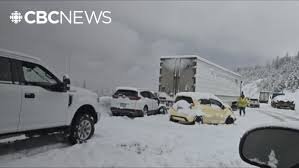
The Coquihalla’s high elevation and mountainous terrain create a microclimate susceptible to intense snowfall, freezing rain, and strong winds. Unlike coastal areas, the Coquihalla doesn’t benefit from the moderating influence of the Pacific Ocean. This means temperatures can plummet quickly, and storms can develop rapidly. The highway’s steep grades also contribute to hazardous conditions, making it crucial to be aware of the **Coquihalla highway conditions** before and during your trip. The area is particularly prone to ‘lake effect’ snow, where cold air passing over warmer bodies of water picks up moisture and dumps it as heavy snowfall on the windward slopes.
Real-Time Weather Resources & Road Condition Updates
Staying informed is paramount. Here are essential resources for checking the **Coquihalla weather forecast** and road conditions:
- DriveBC: [https://www.drivebc.ca/](https://www.drivebc.ca/) – This is your primary source for real-time road closures, construction, incidents, and webcam views of the highway.
- Environment Canada: [https://weather.gc.ca/](https://weather.gc.ca/) – Provides detailed weather forecasts, including temperature, precipitation, wind speed, and visibility. Search specifically for forecasts along the Coquihalla Highway route.
- Coquihalla Highway Webcams: DriveBC provides several webcam views along the highway, allowing you to visually assess current conditions.
- Twitter: Follow @DriveBC and @TranBC for up-to-the-minute updates.
Remember to check these resources *immediately* before departing and periodically throughout your journey. Conditions can change dramatically in a short period.
Winter Driving Tips for the Coquihalla
Even with a favourable **Coquihalla weather** report, winter driving on this highway requires extra caution. Here are some essential tips:
- Winter Tires are Mandatory: From October 1st to April 30th, winter tires (with the three-peak mountain snowflake symbol) or chains are legally required on many sections of the Coquihalla Highway.
- Reduce Your Speed: Drive significantly slower than the posted speed limit, especially on curves and hills.
- Increase Following Distance: Allow ample space between your vehicle and the one in front of you.
- Be Prepared for Chain-Up Areas: Know how to install and remove tire chains, and be prepared to use them if required.
- Pack an Emergency Kit: Include warm clothing, blankets, food, water, a flashlight, a first-aid kit, and a shovel.
- Fully Charge Your Phone: Ensure your phone is fully charged before you leave.
- Let Someone Know Your Route: Inform a friend or family member of your travel plans.
Driving defensively and being prepared for the unexpected are key to a safe trip on the Coquihalla Highway. Don’t underestimate the power of the **Coquihalla weather** – it can change quickly and dramatically. Prioritize safety above all else.