
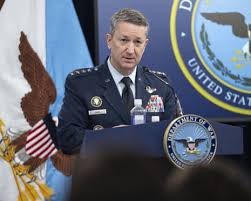
David Petraeus on the Strait of Hormuz Crisis: Iran’s Threat to Global Oil Supply
The Strait of Hormuz, a critical chokepoint for global oil trade, is currently facing a severe disruption due to actions attributed to the Islamic Revolutionary Guard Corps (IRGC). Recent intelligence reports, and analyses from figures like former CIA Director David Petraeus, highlight the growing threat to oil tankers traversing this vital waterway. The situation has escalated significantly since the start of recent conflicts, effectively curtailing traffic and driving up oil prices.
The Current Situation: A Blockade in Action
US intelligence assessments indicate that direct attacks by Iran pose the most significant risk to oil tankers. These attacks could take the form of swarms of one-way attack drones or a barrage of shore-to-ship ballistic missiles. Even a single successful strike could cripple or sink a tanker, granting Iran substantial leverage. This concern is amplified by the potential for defenses to be overwhelmed, even with the presence of US Navy destroyers providing escort.
The Trump administration responded to perceived Iranian preparations for mining the strait with strikes against 16 mine-laying vessels. US Central Command released footage of these strikes, demonstrating a proactive, albeit reactive, approach. However, experts, including those consulted by the Council on Foreign Relations, emphasize that addressing the threat of direct missile or drone attacks is far more complex.
David Petraeus’ Perspective and Concerns
While specific public statements directly quoting David Petraeus on this *exact* situation are limited, his extensive experience in Middle Eastern security and counterterrorism provides valuable context. Petraeus has consistently warned about Iran’s destabilizing influence in the region and its willingness to employ asymmetric warfare tactics. His insights suggest that Iran is likely to exploit any vulnerability to exert pressure on the United States and its allies.
The challenge lies in ensuring the safe passage of tankers even with naval escorts. The sheer volume of potential incoming threats makes complete interception incredibly difficult. Furthermore, convincing ship crews to navigate the strait, even with risk insurance, remains a significant hurdle.
Impact on Global Oil Prices and US Consumers
The disruption in the Strait of Hormuz has already contributed to a steep increase in oil prices, directly impacting US consumers at the gas pump. Energy Secretary Chris Wright has expressed optimism that traffic will resume within “a few weeks,” following the destruction of some Iranian weaponry. However, the continued threat of attack has led most ship operators to suspend tanker traffic through the strait.
Recent attacks on ships in and around the strait, including a Japanese container vessel and two bulk carriers, underscore the ongoing danger. Iran has claimed responsibility for at least one of these attacks, further escalating tensions.
The Strategic Importance of the Strait of Hormuz
The Strait of Hormuz connects the Persian Gulf to the northern Arabian Sea and is bordered by Iran on one side. This strategic location makes vessels vulnerable to shore-launched attacks. Approximately a fifth of the world’s oil supply passes through this narrow waterway, making its security paramount to global economic stability.
Looking Ahead
The situation in the Strait of Hormuz remains highly volatile. A sustained disruption could have severe consequences for the global economy. Continued diplomatic efforts, coupled with a robust military presence, are crucial to de-escalate tensions and ensure the free flow of oil through this vital transit passage. The insights of experienced leaders like David Petraeus are invaluable in navigating this complex geopolitical landscape.
Further Reading:



