Mickey Rourke: A Turbulent Life and Remarkable Comeback of a Hollywood Icon
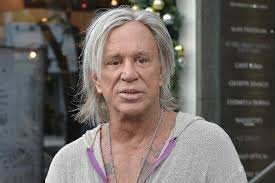
Mickey Rourke. The name conjures images of raw intensity, brooding charisma, and a career marked by both dazzling heights and devastating lows. He’s a Hollywood enigma, a talent that burned brightly, flickered dangerously close to extinction, and then, against all odds, roared back to life. This is the story of a complex artist, a dedicated method actor, and a man who consistently defied expectations.
Early Life and the Boxing Years
Born Philip Andre Rourke Jr. in Schenectady, New York, in 1956, Mickey Rourke’s early life was far from glamorous. A turbulent childhood, marked by parental separation and a move to Miami, led him down a path of youthful rebellion. However, it was boxing that initially captured his attention. Rourke wasn’t just a casual participant; he was a serious amateur boxer, competing and even winning the Golden Gloves title. This experience instilled in him a discipline and physicality that would later profoundly influence his acting style. He credits boxing with teaching him how to take a punch – both literally and figuratively – a skill that proved invaluable throughout his life.
The Rise to Hollywood Stardom
Rourke’s foray into acting began in the late 1970s, with small roles in television and film. His breakthrough came in 1982 with Diner, a coming-of-age story that showcased his natural talent and magnetic screen presence. This was followed by a string of successful films, including Rumble Fish (1983), Desperate Hours (1983), and 9½ Weeks (1986), cementing his status as a rising star and a heartthrob. He became known for his roles as troubled, often dangerous, characters, perfectly embodying a rebellious spirit that resonated with audiences.
The Wilderness Years
The late 1980s and 1990s saw Rourke’s career stall. He actively sought out challenging roles, but often found himself typecast or working on low-budget projects. Personal demons, including substance abuse and a self-destructive lifestyle, further contributed to his decline. He famously took a hiatus from acting, even pursuing a professional wrestling career with WCW in the mid-1990s – a move that raised eyebrows but demonstrated his willingness to take risks. This period was a dark chapter, but it ultimately laid the groundwork for his eventual comeback.
The Remarkable Comeback: *The Wrestler* and Beyond
Rourke’s career experienced a stunning resurgence in 2008 with Darren Aronofsky’s The Wrestler. The role of Randy “The Ram” Robinson, a washed-up professional wrestler grappling with his fading glory and personal demons, was tailor-made for Rourke. He underwent a grueling physical transformation, regaining much of his former boxing physique, and delivered a performance that was both heartbreaking and electrifying. The Wrestler earned him a Golden Globe Award and an Academy Award nomination for Best Actor, marking a triumphant return to critical acclaim.
Since then, Rourke has continued to deliver compelling performances in films like The Immortals (2011), Iron Man 2 (2010), and Sin City: A Dame to Kill For (2014). He’s proven that he’s not just a survivor, but a resilient and dedicated artist who continues to push boundaries.
Mickey Rourke’s Legacy
Mickey Rourke’s story is a testament to the power of perseverance and the enduring appeal of authenticity. He’s an actor who isn’t afraid to expose his vulnerabilities, to embrace the darkness, and to deliver performances that are both raw and emotionally resonant. His journey, marked by both triumph and tragedy, has cemented his place as a true icon of American cinema. He remains a captivating figure, and his future projects are eagerly anticipated by fans worldwide. You can learn more about his career on IMDb.