SaskPower and Métis Nation-Saskatchewan: A Collaborative Approach to SMR Development
SaskPower is actively exploring the potential of Small Modular Reactors (SMRs) in Saskatchewan, and early engagement with Indigenous communities, particularly the Métis Nation–Saskatchewan (MN–S), is proving crucial. This collaboration aims to ensure that any future development aligns with community values and addresses potential impacts.
Early Consultation: A Key Priority
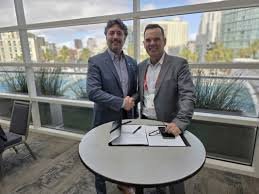
Marg Friesen, Regional Representative for Eastern Region 3 of MN–S, highlighted the importance of the recent consultation session in Estevan. “The session was designed as an information-gathering exercise and a platform to address questions about the proposed SMR project,” Friesen explained. A central concern voiced by community members revolves around the long-term consequences for future generations and the impact on traditional ways of life.
Friesen emphasized the need for open dialogue, stating, “It’s vital that citizens have the opportunity to ask questions about nuclear energy, land use, and the lasting effects on harvesting, gathering, and fishing. We’re all connected to the land in some way.”
Leveraging Past Experience & Addressing Concerns
MN–S brings a wealth of experience to the table, having collaborated with SaskPower on numerous infrastructure projects. They are recognized as a leader in Indigenous engagement, and view the SMR project as a significant topic in the context of transitioning to alternative energy sources in response to climate change and emissions reduction goals.
“Meaningful participation requires Indigenous peoples to be involved in decision-making processes from the outset,” Friesen asserted. She praised SaskPower for taking a proactive approach by engaging communities “from the ground up,” rather than after decisions have been made. This early-stage consultation is seen as a positive step towards building trust and ensuring a collaborative process.
Economic Opportunities and Historical Ties
Beyond addressing concerns, the potential for economic benefits associated with SMR construction is also being explored. Friesen noted the possibility of future business and employment opportunities for local communities. However, she also underscored the deep historical connection many Métis families have to the land in the region, with some having established homesteads and farms for generations. Therefore, a clear understanding of potential impacts is paramount.
SaskPower’s commitment to ongoing dialogue and transparent communication will be essential as the SMR project progresses. Further information on SaskPower initiatives can be found on their official website: https://www.saskpower.com/. For local updates and community information, visit weyburn.ca.