Decoding ‘Zhú Yù’: A Deep Dive into the Polarizing Hit Historical Drama
‘Zhú Yù’ (逐玉), the highly anticipated historical drama of early 2026, has ignited fervent discussion thanks to its contrasting premise: a fallen nobleman, Xie Zheng, portrayed by Zhang Linghe, and a butcher’s daughter, Fan Changyu, brought to life by Tian Xiwei. However, audience reception has been strikingly polarized, creating a fascinating case study in modern C-drama trends.
Performance Under the Microscope: Acting Acclaim vs. Dubbing Discontent
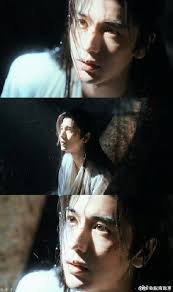
Supporters lavish praise on Zhang Linghe’s layered performance. He masterfully embodies Xie Zheng’s “beautiful, strong, and tragic” (美强惨) persona. From the heartbreaking vulnerability of a disgraced lord huddled in a pigsty – hailed as a standout scene in the historical romance genre – to the ruthless intensity on the battlefield, and the subtle tenderness towards the female lead, his nuanced expressions and body language imbue the character with a compelling blend of noble bearing and hidden depths.
Conversely, critics question his delivery of dialogue, particularly the synchronization between the dubbing and his lip movements, as well as the emotional resonance of the voice acting. Some viewers argue that the dubbing lacks genuine emotion, creating disconnects in crucial scenes and diminishing the character’s impact.
Plot Structure: A Promising Start That Loses Its Way?
The initial episodes garnered widespread approval. The drama’s grounded, everyday atmosphere, featuring the female lead’s realistic portrayal of a butcher and the male lead’s feigned integration into her family, created a charming and lighthearted dynamic. The sweet and endearing interactions between the protagonists, coupled with memorable moments like the “raising you with pigs” declaration and the symbolic pig liver soup, were lauded as a refreshing departure from typical historical romance tropes.
However, as the main storyline progressed, criticisms began to surface. Some viewers felt the introduction of political intrigue disrupted the pacing, transforming the drama from a heartwarming slice-of-life story to a power struggle on the imperial court. This shift in genre was perceived as jarring and fragmented the narrative. Furthermore, increased screen time for supporting characters (such as the antagonist Qi Min and Sui Yuanqing) allegedly detracted from the protagonists’ development. Fan Changyu’s transition from an independent butcher to a battlefield assistant was criticized as rushed and unconvincing, undermining the initial strength of her character.
Character Development: A Complex Heroine or a Supporting Role?
Xie Zheng’s complexity has become a central point of discussion. Fans appreciate his inherent contradictions: a warrior with a ruthless streak, yet respectful of women and challenging period-specific stigmas surrounding menstruation; burdened by a vengeful past, yet capable of gentle affection. He’s often described as the ideal male lead.
However, critics argue that Fan Changyu is relegated to a supporting role in later episodes. Her initial portrayal as a strong, independent woman who fearlessly defends herself against slander is diminished. She increasingly serves as a catalyst for the male lead’s revenge plot, with her own growth arc faltering and deviating from the promised “mutual redemption” narrative.
Style and Themes: Ambitious Innovation or Disjointed Execution?
Director Zeng Qingjie aimed to blend elements of domestic comedy, battlefield politics, and tragic undertones. While some viewers applaud this ambition, appreciating the “comedic shell concealing a tragic core,” others find the mixture jarring. The contrast between lighthearted domestic scenes and the grim realities of political warfare is seen as awkwardly executed. Certain lines of dialogue, intended to elevate the thematic depth, are perceived as forced and disconnected from the plot.
Ultimately, the controversy surrounding ‘Zhú Yù’ reflects the growing pains of the historical romance genre. As audiences demand both unconventional female narratives and the familiar appeal of the “beautiful, strong, and tragic” male lead, finding the right balance presents a significant challenge. The drama’s innovations in visual aesthetics and character design are commendable, but its narrative coherence and balanced character development remain areas for improvement. The polarized reception serves as a valuable insight into the evolving expectations of viewers – they crave not just “god-level cinematography,” but also a logically consistent and “complete story.”
Sina Finance – for further perspectives on cultural trends.