Hora Reynosa: Daylight Saving Time Begins in Border Cities
Ciudad Juárez and other Mexican border cities will spring forward tonight! Residents are required to adjust their clocks one hour ahead as Daylight Saving Time (DST) comes into effect. The change will occur at 2:00 AM on Sunday, March 8th, meaning clocks should be set forward to 3:00 AM.
Why the Time Change?
While most of Mexico eliminated DST in 2022, the border regions continue to observe it to align schedules with the United States. This synchronization is crucial for facilitating trade, maintaining consistent work hours, and streamlining cross-border activities. The goal is to maintain a unified schedule with neighboring states in the US, simplifying commercial agreements and daily life.
With this change, Juárez’s schedule will match that of Chihuahua and the rest of the country until November. This alignment ensures coordinated operations across the region.
Which Cities are Affected?
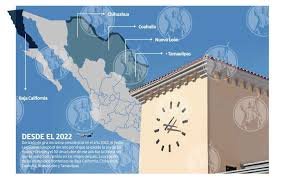
The time change applies specifically to the northern border states. These include:
- Baja California
- Chihuahua
- Coahuila
- Nuevo León
- Tamaulipas
Notably, Sonora does not participate in Daylight Saving Time.
Impact on Health and Well-being
The shift to Daylight Saving Time can have several effects. The extra hour of daylight in the evening comes at the cost of reduced morning light. This can disrupt the body’s natural circadian rhythm.
Some studies suggest a potential increase in heart attacks and strokes immediately following the March time change. Individuals with Seasonal Affective Disorder (SAD), a type of depression linked to shorter days and reduced sunlight, may also experience exacerbated symptoms. The Sleep Foundation provides further information on the health impacts of DST.
The 2022 Reform and Border Exceptions
Following a presidential initiative in 2022, the Mexican legislature approved a law establishing a permanent standard time. However, an exception was made for the northern border region. The last nationwide time change occurred on October 30, 2022, excluding the border municipalities of Chihuahua, Coahuila, Tamaulipas, Nuevo León, and Baja California.
This adjustment in border zones is essential for synchronizing activities with the United States, given the significant commercial, labor, educational, and personal traffic between the two countries. It simplifies daily life for residents and visitors alike.
(Pavel Juárez / El Diario)