
Escalating Tensions: The Conflict in the Middle East
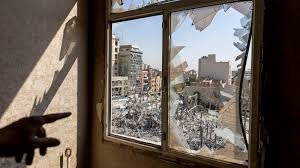
The Middle East is on edge as a new wave of strikes targets Iran, with Israel initiating what it calls a “broad-scale wave of strikes” against Tehran. Reports indicate impacts on Jomhuri Avenue, a major thoroughfare in the Iranian capital. Simultaneously, Israel is targeting Hezbollah, raising fears to unprecedented levels with a prior evacuation order for nearly all of southern Beirut, potentially impacting over half a million residents.
Iran’s Response and Regional Interception
As dawn breaks on the seventh day of the conflict, Middle Eastern countries are actively intercepting strikes. Intelligence suggests Iran is focused on degrading air defenses by targeting US-made radars crucial for detecting missiles and drones, as evidenced by satellite imagery from the Arabian Peninsula. This strategic move highlights Iran’s attempt to neutralize key defensive capabilities.
US Involvement and a Prolonged Campaign
The United States is ramping up its involvement, with President Donald Trump stating he has “no time limits” on the duration of the war. Defense Secretary Pete Hegseth has echoed this sentiment, asserting that the conflict has “only just begun.” This signals a commitment to a potentially prolonged and extensive military campaign.
Economic Impact and Energy Concerns
Despite the escalating conflict, President Trump has downplayed concerns about rising US gas prices, stating, “If they rise, they rise.” He emphasized that the situation is “far more important than having gasoline prices go up a little bit.” However, the war has already caused a 7% increase in gas prices, a rise of 20 cents per gallon. The administration has ruled out tapping into the Strategic Petroleum Reserve, and Trump confidently predicts the Strait of Hormuz, a vital oil transit route, will remain open, claiming Iran’s navy is “at the bottom of the sea.”
Panic and Evacuations in Beirut
The Israeli military’s warning to evacuate southern Beirut triggered widespread panic and chaos on Thursday evening. Tens of thousands of residents flooded the streets, attempting to flee the area, facing gridlocked traffic and challenges in assisting the elderly and those with limited mobility. Eyewitness accounts, like that of a flower-shop owner named Hussein, describe scenes of people running barefoot from their buildings. Explosions have continued into the pre-dawn hours.
Escalation and Rhetoric
Israel’s Finance Minister Bezalel Smotrich further fueled the tension with a statement comparing the potential fate of Beirut’s southern suburbs to Khan Younis, a city largely flattened during Israel’s war against Hamas. This rhetoric underscores the severity of the situation and the potential for widespread destruction. Michael Young, senior editor at the Carnegie Middle East Center, notes that Israel appears to be seeking to replicate the Gaza example in the Lebanese suburbs.
Hezbollah’s Response and Regional Reactions
Hezbollah has responded by firing rockets into Israel, prompting a backlash from Lebanese society and the government. In an unprecedented move, the Lebanese president has banned Hezbollah’s military and security operations, although the US-backed Lebanese Army has struggled to enforce this ban. Lebanon has also withdrawn visa-free travel for Iranian citizens.
International Concerns and Evacuations
Japan has confirmed that two of its citizens are being held in Iran and has requested their release. The US has successfully completed the first chartered evacuation flight of American citizens from the Middle East, with hundreds arriving at Dulles International Airport near Washington, DC. Families expressed relief and shared stories of challenges in obtaining information during the evacuation process.
Canada’s Stance and Potential Support
Canada is considering providing support to Persian Gulf partners who may require assistance, though it is not participating in Operation Epic Fury against Iran. Canada’s Chief of the Defence Staff, Jennie Carignan, emphasized that any involvement would be within the bounds of self-defense.
Ongoing Developments and Future Outlook
As the conflict enters its sixth day, Defense Secretary Pete Hegseth has signaled a potential escalation, stating, “If you think you’ve seen something, just wait.” He emphasized the US’s commitment and “no shortage of munitions,” adding, “We have only just begun to fight and fight decisively.” The situation remains highly volatile, with ongoing strikes, evacuations, and diplomatic efforts to de-escalate the crisis.
Sources:



