
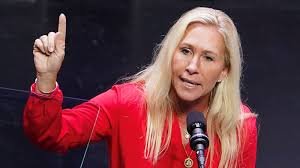
The Unfiltered Voice: Analyzing Marjorie Taylor Greene’s Impact on US Politics
In the dynamic landscape of American politics, few figures command attention quite like Marjorie Taylor Greene. The Republican representative from Georgia has carved out a unique and often controversial niche, becoming a lightning rod for debate and a powerful voice within the conservative movement. Her outspoken style and unwavering commitment to certain ideologies have not only captivated her base but also fundamentally shifted elements of political discourse within the United States.
Since her election to the US Congress, Greene, often referred to as MTG, has been a prominent figure, known for her direct communication and willingness to challenge established norms. Her presence has undoubtedly injected a different kind of energy into the Republican Party, pushing conversations to new boundaries and reflecting a segment of the electorate that feels increasingly unrepresented by traditional politicians.
The Rise of a Conservative Firebrand
Marjorie Taylor Greene’s journey to the national stage is marked by a blend of grassroots appeal and a keen understanding of media amplification. Her early political activities and later congressional campaigns resonated strongly with voters seeking a decisive break from conventional politics. This rise underscores a broader trend in conservative politics, where authenticity and a perceived anti-establishment stance often outweigh traditional political experience.
Her legislative focus often aligns with core conservative tenets, including fiscal responsibility, Second Amendment rights, and a strong national defense. However, it’s her engagement with highly debated cultural and social issues, often through vigorous public commentary and social media, that truly defines her public persona and influence. This approach has solidified her position as a leading voice for a particular faction of the GOP.
Impact on the Republican Party and National Discourse
Marjorie Taylor Greene’s impact extends far beyond her district. She has become a de facto leader for a segment of the conservative movement, influencing public opinion and, at times, the strategic direction of the Republican Party. Her willingness to embrace and amplify certain viewpoints has forced other politicians to engage with topics that might otherwise remain on the fringes.
Her influence can be seen in several areas:
- Shaping the Conservative Agenda: Greene has been instrumental in keeping specific issues, such as government spending and cultural debates, at the forefront of the Republican platform.
- Mobilizing the Base: Her rallies and online presence demonstrate a remarkable ability to energize and mobilize a dedicated voter base.
- Challenging Party Norms: MTG frequently challenges leadership and traditional party lines, contributing to internal debates and shifts within the GOP structure.
- Media Engagement: She expertly utilizes various media platforms to bypass traditional gatekeepers and directly communicate with her supporters, setting a new standard for political engagement.
While often controversial, Marjorie Taylor Greene’s approach ensures that she remains a constant fixture in political discussions. Her actions and statements frequently spark national conversations, drawing both fervent support and strong opposition, a testament to her undeniable influence in contemporary US politics. For a deeper dive into recent political shifts within the Republican party, The New York Times offers extensive coverage.
Looking Ahead: The Future of Greene’s Influence
As the political landscape continues to evolve, Marjorie Taylor Greene’s role is likely to remain significant. Whether through legislative efforts, public advocacy, or her unique brand of political commentary, she represents a powerful, unfiltered voice that resonates with a significant portion of the American electorate. Understanding her impact is crucial for anyone seeking to comprehend the complexities and ongoing transformations within the Republican Party and the broader spectrum of United States politics.
Her tenure in Congress continues to highlight the shifting dynamics of political power and communication in the digital age. The debate surrounding her methods and messages will undoubtedly persist, underscoring her lasting footprint on the national political stage.



