
Hangzhou’s Bold Move: Becoming China’s AI Epicenter
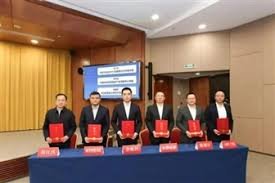
On February 28th, Hangzhou solidified its ambition to become China’s leading artificial intelligence (AI) hub by hosting a significant AI development summit. The city announced a staggering CNY25.5 billion (US$3.71 billion) in investments across 12 AI projects, signaling a major push to bolster its technological infrastructure and attract cutting-edge innovation. This initiative underscores Hangzhou’s commitment to fostering a thriving AI ecosystem and reducing reliance on foreign technologies.
Sunrise Leads the Charge in GPU Development
Among the projects, Sunrise’s “High-Performance GPU and Inference Chip R&D Project” stands out as the sole venture dedicated to AI inference GPUs. This investment highlights the critical importance of computing power in the future of industrial development, as emphasized by Sunrise Co-CEO Wang Zhan. He believes that raw computing capability, not just model sophistication, will be the defining factor in the next wave of technological advancement. Sunrise, spun off from SenseTime at the end of 2024, is poised to play a key role in providing the necessary infrastructure for Hangzhou’s AI ambitions.
China’s Shift to a Multi-Vendor AI Chip Landscape
Sunrise’s project isn’t an isolated event. Reports indicate that China’s AI chip deployment is evolving beyond a single dominant supplier, embracing a multi-player structure. This strategic shift aims to enhance supply chain resilience and foster domestic innovation. The move reflects a broader government strategy to support local AI computing providers and reduce dependence on international companies.
Key Players in China’s AI Chip Ecosystem:
- Huawei Ascend Series: Widely recognized as a primary domestic platform for large-model training and inference, with increasing shipments to meet demand. However, manufacturing capacity and policy constraints remain challenges. (Huawei Ascend)
- Cambricon: A leading domestic AI accelerator vendor, with its MLU series appearing on government and enterprise procurement lists.
- Alibaba’s T-Head, MetaX, and Biren: These companies have already seen their chips deployed in large-scale infrastructure projects, such as the China Unicom data center in Xining, Qinghai.
- Moore Threads and Enflame Technology: Expected to supply chips for future phases of data center and cloud projects, demonstrating continued growth and investment.
Beyond AI Accelerators: Domestic CPU Alternatives
The push for self-sufficiency extends beyond AI accelerators to CPUs. Vendors like Loongson and Phytium are gaining traction as domestic alternatives in government, state-owned enterprises, and industrial server environments. China is actively limiting the use of Intel and AMD chips in government-funded systems, providing crucial policy support for these domestic CPU developers.
Hangzhou: A Testbed for Innovation
Hangzhou’s $3.7 billion investment and the emergence of a diverse range of domestic chipmakers signal a significant turning point in China’s AI strategy. While challenges remain in scaling production and integrating into the global ecosystem, the city is rapidly establishing itself as a vital hub for AI development and innovation. The collaboration between local governments and emerging chipmakers, exemplified by the Sunrise project, is paving the way for a more independent and robust AI future for China.
While China is making strides, gaps still exist in computing scale, manufacturing capacity, and global ecosystem integration compared to established players like Nvidia. However, the momentum is undeniable, and Hangzhou is at the forefront of this transformative shift.



